Scadbury Park moves: navigating trails, gates and parking
Posted on 14/05/2026
Moving around Scadbury Park can look simple on a map and then feel a bit different once you are there. Trails narrow, gates vary, parking may be limited, and a van that seemed perfectly manageable on paper can suddenly feel large in a leafy, tight-access setting. If you are planning a home move, furniture delivery, student move, or even a one-off item removal near the park, a little preparation goes a long way.
This guide breaks down Scadbury Park moves: navigating trails, gates and parking in plain English. You will find practical route planning advice, access tips, safety considerations, vehicle guidance, and a few local-moving realities that are easy to overlook until the last minute. To be fair, that is usually when problems show up. Better to sort them before the van arrives.
For more general moving preparation, you may also find it useful to read how to prepare for a house move without the stress and this guide to packing with precision for a smoother move.
Why Scadbury Park moves: navigating trails, gates and parking Matters
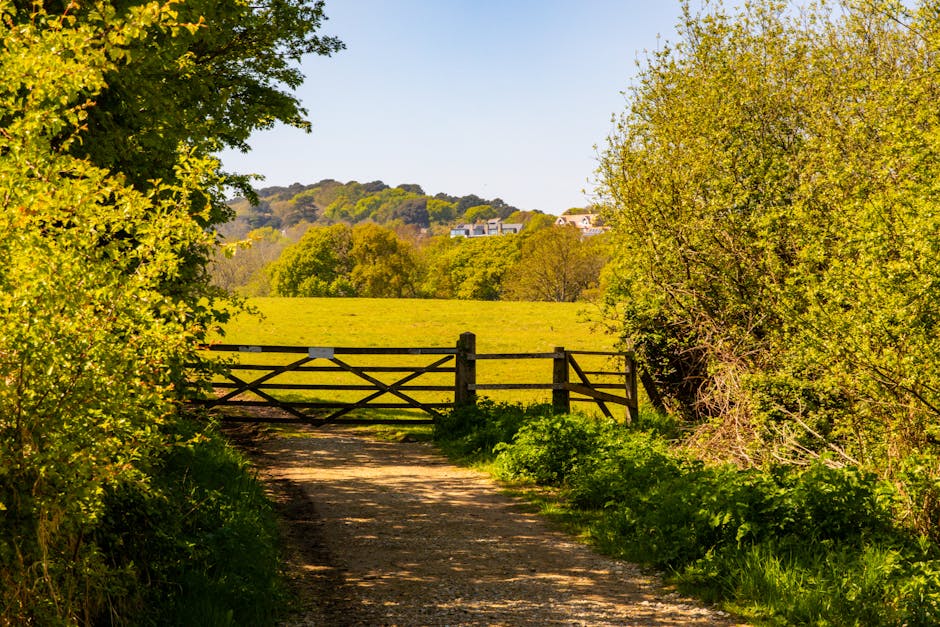
Scadbury Park is exactly the kind of place where access details matter more than people expect. The setting is attractive, green, and often peaceful, which is great for walking or visiting, but not always straightforward for moving vans, bulky furniture, or repeated loading runs. Trails may be uneven, gates can restrict vehicle width, and parking near the most convenient access point may be limited or shared with other visitors.
Why does that matter? Because moving is already a timing-sensitive job. If the van has to stop too far away, every box becomes a longer carry. If the route includes a muddy trail after rain, even a light trolley can become awkward. If you have a sofa, mattress, or piano on the load list, these little access details quickly turn into time, effort, and risk. Nobody wants the day to begin with a stuck wheel, a scratched item, or a frustrated driver in a narrow lane. Nobody.
This is also where local knowledge helps. People planning moves in and around Locksbottom, Chislehurst, or nearby BR6 routes often benefit from reading our street-by-street moving guide for Locksbottom BR6 alongside broader service pages such as removals in Locksbottom and man and van services in Locksbottom.
The short version: access planning is not a side issue. It is part of the move itself.
How Scadbury Park moves: navigating trails, gates and parking Works
The process is usually a mix of route checking, vehicle selection, timing, and practical loading decisions. A straightforward move near the park often starts with one basic question: can the vehicle get close enough to the property or drop-off point without creating more problems than it solves?
In practice, that means looking at the likely access route from the road to the destination. Some moves are vehicle-to-door. Others are van-to-gate, then hand carry or trolley across a path. A few need a staged approach, where a removal van parks in the safest available location and items are transferred in smaller loads. Truth be told, the best plan is usually the one that avoids drama.
Here is what typically shapes the job:
- Trail width and surface: compacted gravel, grass, compacted earth, or mixed surfaces can affect manoeuvrability.
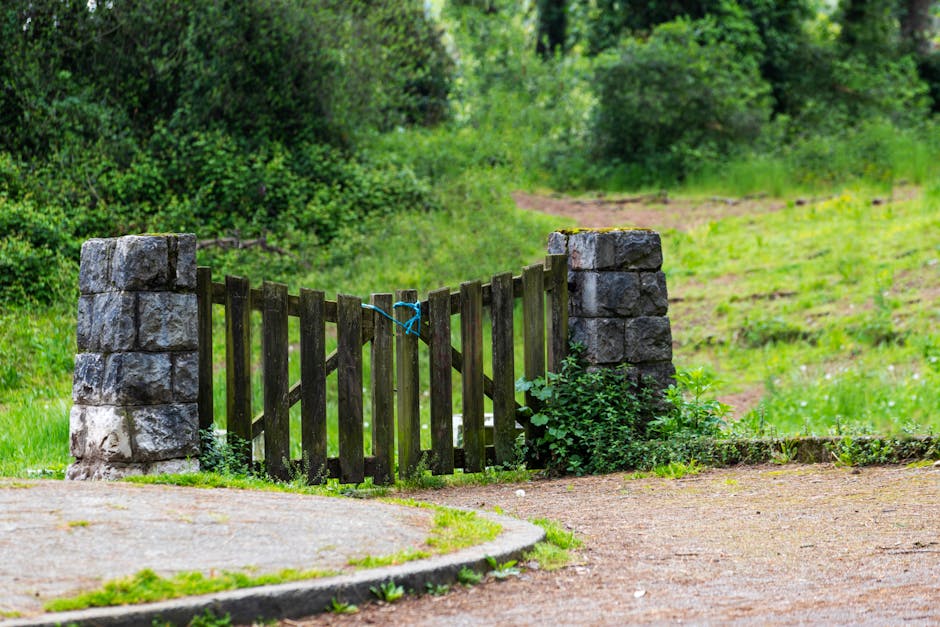
- Gate size and opening direction: narrow gates may suit boxes and small items but not larger furniture.
- Turning space: vans need room to swing in, reverse out, or unload safely.
- Parking availability: if the closest legal bay is taken, your carry distance changes immediately.
- Weather conditions: a dry path in the morning can become slick by lunchtime, especially on shaded ground.
For heavier or awkward items, the route decision should be made before lifting starts. If you are moving bulky pieces, pages like furniture removals in Locksbottom and practical solo lifting techniques for heavy objects can help you think through the load in a safer way.
The real work is not only moving the item. It is moving it safely, with as little backtracking as possible.
Key Benefits and Practical Advantages
Good access planning brings a few very real benefits, and they are not just about convenience. They affect the pace, safety, and overall cost of the move.
1. Less carrying, less strain
The shorter the walking distance between van and property, the easier the move feels. That is especially useful for flats, family homes with lots of boxes, or anyone moving on a tight timeline. Fewer steps also means fewer chances to bump walls, railings, or door frames.
2. Better protection for your belongings
Furniture and packed boxes are more vulnerable when they are repeatedly lifted, set down, and carried across uneven ground. By reducing unnecessary handling, you lower the chance of damage. This is particularly relevant for fragile items, upholstered furniture, and larger pieces that do not enjoy sudden jolts, as anyone who has wrestled a sofa through an awkward gate knows.
3. Smoother time planning
What looks like a ten-minute unload can stretch if parking is awkward or the trail is soft underfoot. Clear planning means the team can estimate the job more realistically. That matters if you are coordinating keys, building access, or a same-day schedule through services like same-day removals in Locksbottom.
4. Lower chance of access disputes
When you know where the vehicle can stop, which gate is usable, and how the load will move on site, there is less scope for confusion. That is useful in shared spaces, near visitor parking, or where you may need to be considerate of walkers and other park users.
5. Better planning for specialist items
A piano, a mattress, or a large wardrobe may need a different route or more than one person to handle properly. If you are moving specialist items, it is worth reviewing why piano moving is best left to experienced hands and how to move beds and mattresses efficiently.
Expert summary: In access-sensitive moves, the best outcome usually comes from choosing the safest parking point first, then designing the carry route around it. Not the other way round. That one decision can save time, energy, and a fair bit of awkwardness.
Who This Is For and When It Makes Sense
This kind of planning helps a wide mix of people. You do not need to be moving a whole house to benefit from it.
- Home movers relocating to or from properties near the park edge, access roads, or nearby residential streets.
- Flat movers who may need short but awkward carry distances through gates, paths, or shared spaces.
- Students with boxes, bedding, monitors, and smaller furniture items that still need careful handling.
- Office or business clients moving equipment and archive boxes where time and parking constraints matter.
- Anyone with bulky items such as sofas, wardrobes, beds, or a piano.
- People using a man and van who want the vehicle choice to match the access point.
It makes especially good sense when you are working with a property that has one or more of these features:
- narrow driveways or shared access
- gated entrances
- soft ground or informal paths
- limited roadside parking
- multiple trips between vehicle and property
For smaller moves, a flexible vehicle can help, but only if it still fits the access reality. If you are weighing up options, man with a van in Locksbottom, a removal van service, and general removal services are all worth comparing.
Step-by-Step Guidance
If you want to keep the move calm and efficient, use a simple process. Nothing flashy. Just clear decisions in the right order.
- Check the access route in daylight. Walk the path from the road or parking point to the property entrance. Look for steps, low branches, narrow bends, soft ground, or anything that could slow the job down.
- Measure gates and doorways. A few centimetres can matter. Measure the narrowest point, not just the visible opening. Handles, hinges, and posts all reduce usable width.
- Decide where the van can stop legally and safely. Do not assume the nearest spot will be available. If parking is tight, have a backup location in mind.
- Match the vehicle to the access. A larger van can be efficient, but only if it can approach without blocking traffic, damaging verges, or risking a difficult reverse.
- Group items by carry difficulty. Keep heavy, fragile, and awkward items separate. This makes the load plan easier at the gate or trail edge.
- Prepare the items before moving day. Box up loose pieces, dismantle where needed, and wrap furniture properly. For this stage, pre-move decluttering and cleaning your home before relocation are both sensible prep reads.
- Plan the load order. Put the items that need the shortest path or the most support near the top of the plan.
- Protect vulnerable items. Blankets, stretch wrap, mattress covers, and corner protectors all earn their keep when gates or walls are close by.
- Use clear communication. If more than one person is involved, agree on where to pause, turn, and set items down. It sounds basic, but it prevents a lot of nonsense.
- Reassess once on site. If the trail is wetter than expected or parking changes, adapt the carry plan rather than forcing the original idea.
That last step matters more than people think. A good move is flexible. A stubborn one is where people start muttering under their breath by 9:30 in the morning.
Expert Tips for Better Results
Below are the little details that usually separate a smooth move from a slightly chaotic one.
Use the shortest safe route, not just the shortest route
A route across the grass may look faster than a longer paved one, but if it is wet or uneven, the safe option usually wins. Choose the route that reduces slip risk and keeps loads stable.
Protect the thresholds and gate edges
Even a small knock on a gate edge can scuff paint or chip wood. A folded blanket or edge protection is a simple fix, especially when moving a sofa or tall cabinet through a narrower opening.
Think about turning, not just going forward
Many access problems appear at the turn, not the straight line. Measure the entrance, then imagine the item rotating through it. If the shape is awkward, allow more room than you think.
Load the vehicle for the return journey too
If you are doing multiple trips, place the items you need first near the back or top of the load. Saves time. Small thing, but it matters.
Bring the right kit
For park-adjacent or trail-based moves, useful kit often includes gloves, blankets, straps, a trolley, torchlight for dull weather, and a mat to keep items off damp ground. If you have one item that is especially delicate or expensive, give it its own layer of protection. No heroics needed.
Choose the right level of service
Some jobs only need a van and driver. Others need more support, especially if access is tight or the items are specialist. If you are not sure, compare house removals, flat removals, and piano removals so the access plan matches the load.
A small practical truth: the best moving day is rarely the one that looks impressive. It is the one that feels boringly under control.
Common Mistakes to Avoid
Most access issues are avoidable. They come from assumptions, not bad luck.
- Assuming the van can park anywhere. It cannot. Legal parking and nearby access are two different things.
- Ignoring wet or soft ground. Trails and grass can change fast after rain.
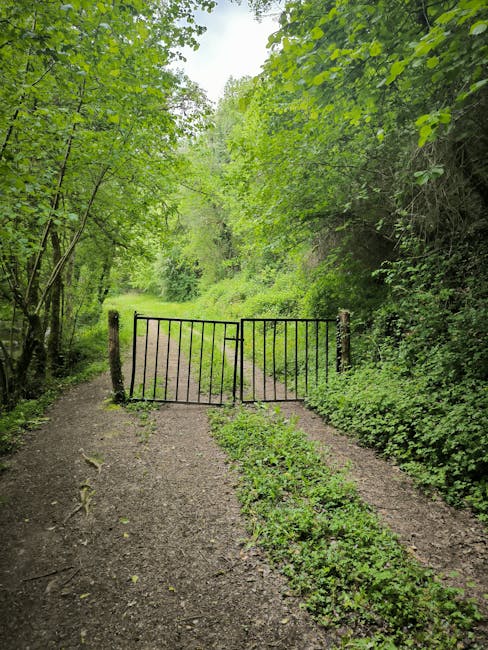
- Forgetting gate width or swing space. A gate that opens is not always a gate that works for furniture.
- Using the wrong vehicle size. Bigger is not always better if the road or access point is tight.
- Leaving packing to the last minute. Last-minute boxes tend to be heavier, looser, and harder to stack.
- Not protecting furniture surfaces. Scratches are easier to prevent than repair.
- Underestimating carrying distance. A few extra metres can become tiring when repeated ten or twenty times.
- Failing to brief helpers. If one person knows the plan and everyone else is guessing, delays follow.
One of the most common little mistakes is parking for convenience rather than for the carry. It feels harmless at first. Then you are on trip number six, carrying a box of books through a gate that seemed much closer in your head. Annoying, frankly.
Tools, Resources and Recommendations
You do not need a warehouse full of equipment to handle a move near Scadbury Park well. A few practical tools make a noticeable difference.
| Tool or resource | Why it helps | Best used for |
|---|---|---|
| Measuring tape | Checks gate width, doorways, and awkward corners | Large furniture, tight access, route planning |
| Furniture blankets and stretch wrap | Protects finishes and soft furnishings | Sofas, cabinets, white goods |
| Trolley or sack barrow | Reduces repeated lifting | Boxes, appliances, heavier items |
| Work gloves and sensible footwear | Improves grip and stability | Uneven paths, damp conditions, gate work |
| Room labels and tape | Makes unloading faster and tidier | House moves, flat moves, student moves |
| Quote and access checklist | Keeps all the small details in one place | Planning with a removal company |
For boxes and packing materials, see packing and boxes in Locksbottom. If you need storage before or after the move, storage in Locksbottom can also help bridge a timing gap.
And if you want to compare cost, scope, or booking process before making a decision, the company's pricing and quotes page is a sensible place to start.
Law, Compliance, Standards, or Best Practice
For park-adjacent moving, the main compliance issues are usually practical rather than complicated. You are generally looking at safe parking, considerate loading, and avoiding damage to public or private land. If a van needs to stop in a restricted area, or if access may affect other users, it is best to check the local situation in advance rather than assume it will be fine.
Best practice in the UK moving sector usually means:
- parking only where it is lawful and safe
- keeping routes clear for pedestrians and other vehicles
- using appropriate lifting and handling methods
- protecting both the property and the item being moved
- being honest about access limitations before the job begins
Health and safety matters too. If a route is slippery, badly lit, or awkwardly steep, the right response is to slow down and adjust the method. That is common sense, but also good practice. For a fuller look at the standards behind careful moving work, you can review the company's health and safety policy and insurance and safety information.
If you are arranging a service, it is also wise to understand the small print. Pages such as terms and conditions, privacy policy, and payment and security help set expectations clearly.
One more thing: if you are moving in a way that affects other visitors, residents, or pedestrians, be a little extra patient. It saves arguments and keeps the day civil.
Options, Methods, or Comparison Table
Different jobs near Scadbury Park call for different moving methods. The right choice depends on access, item size, and how much handling you want to avoid.
| Method | Best for | Pros | Watch-outs |
|---|---|---|---|
| Van-to-door unloading | Easy access, short distance, standard household items | Fast, efficient, less carrying | Needs suitable parking right by the property |
| Gate-side unloading | Properties with vehicle restrictions or narrower entrances | Safer for tight sites, keeps the van out of the worst spots | Longer carry, needs stronger packing and route planning |
| Staged carry with trolley | Heavier boxes, mixed terrain, moderate carry distances | Reduces strain, keeps the pace steady | Does not suit every surface or item shape |
| Specialist handling for large items | Pianos, large sofas, beds, wardrobes | Better protection, safer handling | May need more time, more people, or extra kit |
For many families, the smartest option is a mixed approach. Standard boxes go one way, bulky furniture another, and fragile items get the careful path. Simple, really. Not always easy, but simple.
Case Study or Real-World Example
A typical local scenario might look like this: a couple is moving from a property just outside the park area into a nearby home with a narrow entrance and limited roadside parking. They have boxes, a bed, a sofa, a dining table, and a large mirror. On paper, it looks like a standard half-day move.
Once on site, though, the closest parking point is already occupied. The route from the next available space includes a short trail section, a gate with limited swing room, and a slightly uneven patch of ground that would be fine in dry weather but a bit slippery after morning drizzle. Instead of forcing a full-load carry from the original plan, the team adapts:
- light boxes are carried first to keep the path clear
- the sofa is wrapped and moved separately with extra handling care
- the bed is dismantled to make the turn easier
- the mirror is carried upright and protected from knocks
- the van remains in the safest legal parking point rather than chasing the closest possible one
The result is not dramatic. That is the point. The move takes a little longer than the first estimate, but it stays controlled, the items arrive undamaged, and no one ends the morning exhausted or irritated. A boring success, in the best sense.
If the home had needed more temporary holding space, a practical fallback would have been a short-term storage arrangement such as storage solutions in Locksbottom, especially where keys, completion timing, or access windows do not line up neatly.
Practical Checklist
Use this checklist before the vehicle arrives. It is small, but it catches the stuff that causes hassle later.
- Confirm the route from parking point to property entrance.
- Measure gates, doorways, and tight turns.
- Check whether the ground is likely to be soft, wet, or uneven.
- Decide on the safest legal parking place, plus a backup.
- Separate fragile, heavy, and awkward items.
- Wrap furniture and protect corners.
- Label boxes clearly by room or priority.
- Keep a trolley, gloves, and blankets ready if needed.
- Tell everyone involved where to pause and where to unload.
- Allow a little extra time for gates, turns, and carry distance.
If you are planning a bigger household move, pairing this list with a pre-move cleaning routine and the broader advice in stress-free house moving guidance can make the whole process calmer. Small wins add up.
Conclusion
Scadbury Park moves: navigating trails, gates and parking is really about respecting the access conditions before they become a problem. Once you know the route, the gate size, the parking reality, and the load mix, the move becomes much easier to control. That is true whether you are shifting a single sofa, a student room, or an entire household.
Plan the approach, match the vehicle to the site, protect the items that need it, and stay flexible when the ground or parking situation changes. It sounds straightforward because, honestly, it should be. The less guesswork you leave for moving day, the better the day usually feels.
Get a free quote today and see how much you can save.
And if you are still in the early stages, that is fine too. A well-planned move starts with asking the right questions, not rushing to the finish line. Take your time, get the access sorted, and the rest has a much better chance of falling into place.