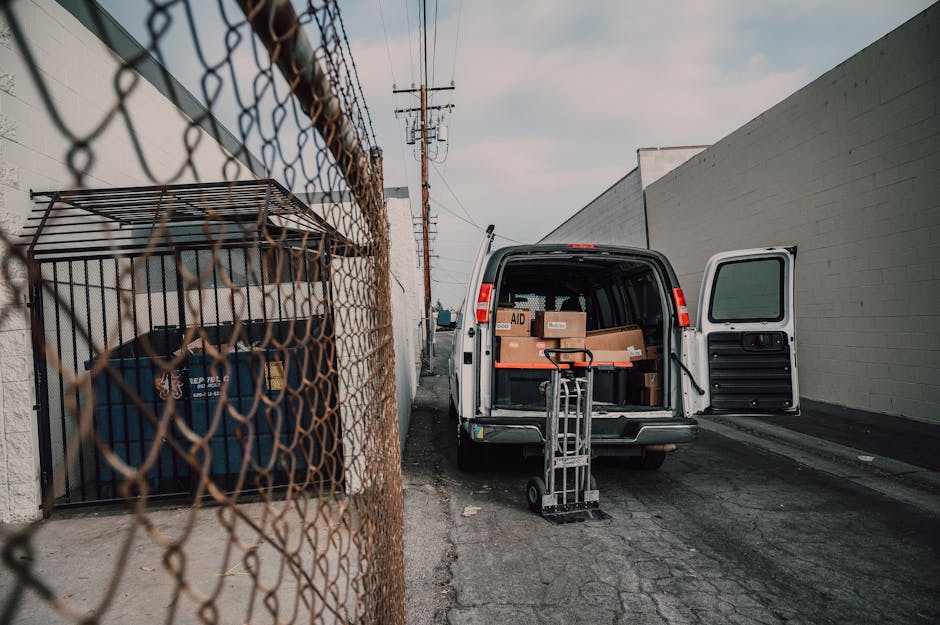
Street-by-street moving guide for Locksbottom (BR6)
Posted on 28/04/2026
Moving in Locksbottom sounds simple on paper: book the van, pack the boxes, arrive, unload. In reality, the difference between a calm moving day and a stressful one often comes down to the street outside your door. A narrow lane, a busy school run, a steep drive, awkward parking, or a shared access point can change the entire rhythm of the move.
This Street-by-street moving guide for Locksbottom (BR6) is designed to help you think locally, plan realistically, and move with fewer surprises. Whether you are leaving a family house, a flat, or a home with awkward access, the aim is the same: make the move safer, quicker, and easier to manage. Along the way, we will also point you towards useful planning resources such as practical stress-free moving tips, packing advice for a more efficient move, and house removals in Locksbottom if you want help with the heavy lifting.
If you are moving within BR6, the smallest details matter. A van that can stop legally and close to the entrance saves time. Proper packing saves breakages. And a sensible route out of the street can save a great deal of frustration. Simple idea, big difference.

Why Street-by-street moving guide for Locksbottom (BR6) Matters
Locksbottom is the kind of place where a move can look straightforward until the van arrives. Even if you are staying in the same postcode, one street may be easier than another because of parking pressure, road width, turning space, nearby shops, or whether your property sits close to a main route. That is why a street-by-street approach is so useful: it moves the planning from generic to practical.
Instead of assuming every address in BR6 behaves the same, you look at the specifics of your road and the surrounding access. That includes where a removal van can stop, whether the crew can carry furniture directly from door to van, and whether there is space for loading without blocking neighbours or traffic. If you have ever tried to manoeuvre a sofa around a tight bend while someone is waiting in a hatchback behind you, you will already understand the value of local awareness.
This matters for more than convenience. It affects safety, timing, and the condition of your belongings. A bad lift down a cramped path can damage a wardrobe. A long carry from the front door to the vehicle can add time and fatigue. A poorly planned unload can turn a neat schedule into a domino effect of delays.
The other reason this guide matters is confidence. When you know what to expect street by street, you make better decisions about van size, packing order, parking arrangements, and whether you need extra help. That confidence is often the difference between feeling in control and feeling ambushed by the day.
How Street-by-street moving guide for Locksbottom (BR6) Works
The process is simple in principle: assess the street, assess the property, then match the move plan to the access conditions. In practice, that means thinking like a mover before moving day starts. Where can the vehicle reasonably stop? Is the front entrance directly accessible, or do you have steps, gates, or shared walkways? Will the furniture fit through the route without last-minute disassembly?
A street-by-street guide usually breaks the area down into practical moving zones rather than official maps. For example, one home may sit on a busier road with limited stopping space, another may be tucked away on a quieter cul-de-sac, and a third may have a shared driveway where coordination matters more than distance. The point is to plan the move around the reality on the ground.
For many people, this works best when combined with a broader moving plan. Resources like pre-move cleaning guidance, decluttering tips, and bed and mattress moving advice help the rest of the move run more smoothly once the street-level logistics are sorted.
It is also worth deciding early whether you want a full removals team, a man and van, or a smaller vehicle for a lighter load. The right choice depends less on habit and more on access, volume, and how much lifting you want to do yourself.
Key Benefits and Practical Advantages
A street-by-street plan does more than make you feel organised. It creates tangible benefits that you notice on the day.
- Less wasted time: the team spends less time hunting for parking or carrying items from a distant stopping point.
- Lower damage risk: shorter, clearer routes mean fewer bumps, scrapes, and awkward turns with furniture.
- Better vehicle choice: you avoid paying for a van that is too large to access the street comfortably, or too small for the load.
- Improved safety: careful access planning reduces rushed lifts and makes it easier to protect both people and property.
- Less neighbour disruption: a sensible loading plan helps avoid blocking driveways or creating unnecessary congestion.
- More accurate timing: once access is understood, estimates become more reliable and the day feels less chaotic.
There is a quieter benefit too: you can pack in a more intelligent order. If you know which items need the shortest carry, you can prioritise them. If the building has a narrow entrance, you can pre-strip bulky items or prepare them for quick reassembly. That kind of foresight saves energy at exactly the moment you need it most.
For people moving furniture or fragile household items, these advantages become even more valuable. A large sofa, a piano, or a heavy mattress is far easier to handle when the access plan is clear. If you are moving larger pieces, a dedicated service such as furniture removals in Locksbottom or specialist piano removals may be the better option.
Who This Is For and When It Makes Sense
This guide is useful for almost anyone moving in or around BR6, but it is especially valuable if your property has access constraints or your move involves anything heavier than a handful of boxes.
You will get the most benefit from a street-by-street approach if you are:
- moving from a terraced or semi-detached property with limited front access
- relocating from a flat where stairs, lifts, or shared entrances affect loading time
- moving during a busy period when road space may be tight
- handling awkward furniture, specialist items, or a full family household
- trying to minimise stress with a smaller team or a man with a van setup
- needing same-day flexibility because your schedule is compressed
Students, first-time movers, downsizers, and families all face different pressures, but the same practical question applies: can the move be completed efficiently from this exact street and property? If the answer is "maybe", that is a sign you should plan more carefully.
For flats and compact properties, local access can be especially decisive. A service such as flat removals in Locksbottom may be a better fit if you need a team that understands stairwells, shared entrances, and faster loading patterns.
Step-by-Step Guidance
Here is the practical version: what to do, in order, without overcomplicating it.
- Walk the route from front door to vehicle space. Check where large items will pass, where corners tighten, and whether anything needs to be removed or opened beforehand.
- Assess parking and stopping options. Look for the closest legal and sensible place for the removal van. If you are unsure, plan for a backup position rather than relying on luck.
- Identify problem items early. Wardrobes, beds, mirrors, freezers, and pianos often need advance handling. Do not leave these until the last hour.
- Decide what should be dismantled. A small amount of disassembly can make a move far safer and quicker. If a table leg can be removed in five minutes, it may save fifteen minutes of awkward carrying later.
- Pack by load order, not just room. Put early-needed items where they can be reached first and fragile items where they will not be crushed.
- Prepare entry points. Clear mats, bins, bikes, shoes, and any clutter that could become a trip hazard.
- Confirm utility and access details. Know whether doors are locked, gates are shared, or intercoms require someone to be present.
- Keep a direct contact method ready. On moving day, if the van is delayed or access changes, fast communication prevents wasted time.
- Do a final street scan before unloading. Conditions can change during the day. A parking space that was open at 8am may not be open at noon.
If you want a fuller packing system, the article on packing precision for house moves is a helpful companion read. It pairs neatly with a local access plan because good packing only really shines when the loading sequence is sensible.
And if you need an all-round moving overview, this stress-free moving guide covers the wider planning side without losing sight of practical detail.
Expert Tips for Better Results
Small refinements make a noticeable difference. In our experience, the following points help the most.
1) Treat the street like part of the job, not an afterthought
Many people focus on the interior of the house and leave the street plan until the van arrives. That is backwards. The street is the first and last workspace of the move, and it deserves the same attention as packing or labelling.
2) Keep your heaviest pieces closest to the exit
If you can position larger items near the front door before moving day, you reduce carrying distance and make loading more efficient. This is especially useful for sofas, wardrobes, and bed frames.
3) Protect high-risk items before the team arrives
Wrap corners, secure drawers, and remove loose fittings. If you are storing anything temporarily rather than taking it straight to the new property, read up on proper storage first, such as sofa storage advice or safe freezer storage guidance.
4) Plan for the weather, even if the forecast looks polite
Rain, mud, wind, or icy patches can all affect the carry route. A couple of old towels, a mat, and a clear doorstep can make a move feel far more controlled.
5) Use professional help for risky lifts
Heavy items are not just inconvenient; they can be genuinely hazardous if handled badly. If you are unsure whether a piece needs specialist handling, that is usually your answer. For large, awkward, or valuable items, consider piano removals or a tailored removals service rather than improvising.
Truth be told, most moving disasters start with someone saying, "It should fit." It often does not. Measure first.

Common Mistakes to Avoid
Most moving problems are predictable. That is actually good news, because predictable problems are the easiest to prevent.
- Ignoring parking restrictions: a van parked in the wrong place can create delays, complaints, or a second round of carrying.
- Underestimating access width: a sofa that looks manageable indoors may become awkward at a narrow gate or stair turn.
- Packing everything by room only: room labels help, but they do not always create an efficient unloading order.
- Leaving dismantling too late: if furniture needs to come apart, do it before the pressure is on.
- Not protecting floors and doors: scratches and scuffs are easy to avoid and annoying to repair.
- Using the wrong vehicle size: a van that is too small creates multiple trips; a van that is too large may be awkward for the street.
- Forgetting clearance for turns and kerbs: a route can look simple until a bulky item meets a tight corner.
One common mistake is assuming that a quick job does not need much planning. In reality, short-notice moves can be more demanding because every minute matters. If you need flexibility, look at same-day removals in Locksbottom or a man with a van option where appropriate.
Tools, Resources and Recommendations
A well-run move does not need a mountain of equipment, but a few basics make life much easier.
- Measuring tape: essential for checking doorways, stair landings, and furniture dimensions.
- Furniture blankets and wraps: help reduce scrapes during loading and transit.
- Marker pens and labels: useful for quick room identification and priority boxes.
- Trolley or sack truck: helpful for heavier boxes and appliances where access allows.
- Basic toolkit: a screwdriver, Allen keys, and tape can save time on dismantling.
- Floor protection: cardboard runners or coverings can protect delicate surfaces.
For readers who want broader support, the following pages are worth keeping open while planning:
- packing supplies and boxes for organised prep
- removal services in Locksbottom for end-to-end support
- local removal companies if you are comparing providers
- storage options in Locksbottom if you need temporary flexibility
- insurance and safety information for peace of mind
If you are moving into a home with temporary storage needs, planning what stays accessible and what goes into storage matters more than people expect. A sofa, freezer, or mattress needs different treatment from boxed kitchen items, and the same goes for how they are loaded and unloaded.
Law, Compliance, Standards, or Best Practice
Moving home in the UK is not usually a heavily regulated activity for the customer, but there are still clear best-practice expectations. If a van is stopping on a public road, parking should be managed lawfully and respectfully. If moving items across shared spaces, stairwells, or communal entrances, you should take care not to create avoidable obstruction or damage.
For removal providers, professional standards commonly include appropriate handling of goods, reasonable care with property access, and transparent communication about what the service includes. If you are comparing companies, it is sensible to check for clear terms, payment details, complaint handling, and safety information before booking. Pages such as terms and conditions, payment and security, and complaints procedure help show whether a business is structured and transparent.
Health and safety should also be taken seriously. Heavy lifting, awkward carrying routes, and poor stacking can all create avoidable risk. A good team should use sensible manual handling practices, protect entry points where needed, and avoid taking shortcuts that put people or possessions at risk. If you want to understand a provider's stance, it is worth reviewing their health and safety policy and about us page before you decide.
Environmental considerations matter too. Reusable packing materials, responsible disposal of unwanted items, and sensible trip planning can all reduce waste. If sustainability is important to you, have a look at the company's recycling and sustainability approach.
Options, Methods, or Comparison Table
Different moves need different levels of support. The best choice depends on volume, access, timing, and how much work you want to take on yourself.
| Move option | Best for | Strengths | Watch-outs |
|---|---|---|---|
| Man and van | Small to medium moves, flexible access, fewer items | Often cost-effective, adaptable, useful for short-notice jobs | May be less suitable for large households or complex lifts |
| Full house removals | Family homes, larger furniture, full-day relocations | More support, better for volume, reduced personal effort | Needs more coordination and clear planning |
| Flat removals | Apartment moves with stairs, lifts, or shared access | Good for access planning and tighter spaces | Parking and carrying routes may still be challenging |
| Same-day removals | Urgent or compressed timelines | Fast response, practical when plans change | Less flexibility for complex packing or bespoke access issues |
| Storage-supported move | When dates do not line up exactly | Useful buffer between properties, good for staging possessions | Requires organised labelling and storage planning |
If you are unsure where your move fits, start by looking at the size of the load and the street access, not just the postcode. That simple check usually points you in the right direction.
Case Study or Real-World Example
Consider a typical BR6 move from a family home with a modest front path and limited on-street stopping space. The owners originally planned to load everything in one run with a small vehicle. On paper, that sounded efficient. In practice, the combination of larger furniture, a tight entrance, and the risk of blocking access meant the move would have been slow and stressful.
After reassessing the street access, they changed the plan. Bulky furniture was dismantled in advance, fragile boxes were grouped together, and the van was booked with enough capacity to reduce back-and-forth trips. The route from front door to vehicle was cleared the evening before, and the items most likely to snag on corners were moved first while energy levels were highest.
The result was not magical, just well planned. Loading was calmer. The team could move in a steadier rhythm. Fewer things needed to be shifted twice. And because the access constraints had been recognised early, there was no awkward improvisation when the van arrived.
That is the real value of a street-by-street approach. It turns a move from "we will see how it goes" into "we know what the street allows, so we can work with it."
Practical Checklist
Use this checklist the day before and the morning of the move.
- Measure key furniture and compare it with doorways and stair turns
- Confirm where the removal van can stop safely and legally
- Clear the entrance, hallway, and main carrying route
- Label boxes by room and priority
- Protect fragile items with suitable wrapping
- Dismantle any items that would otherwise cause bottlenecks
- Set aside essentials, documents, chargers, and valuables
- Check whether any items need specialist handling or extra protection
- Keep communication lines open with the removals team
- Review weather, parking, and access conditions before loading starts
Expert summary: if you only do three things, do these: plan the street access, pack in a logical loading order, and handle the biggest or most delicate items before the day gets busy. That trio solves more moving problems than people expect.
Get a free quote today and see how much you can save.
Conclusion
A good move in Locksbottom is not just about boxes and vans. It is about reading the street properly, planning for access, and matching the removal method to the reality of your property. That is what makes a street-by-street guide so useful: it helps you avoid generic assumptions and make practical choices that suit BR6.
If you prepare the route, choose the right support level, and handle fragile or bulky items with care, the day becomes much easier to manage. The move still takes effort, of course, but it feels structured rather than chaotic. And that is a better way to relocate, whether you are moving across the road or across the borough.
If you are ready to take the next step, look at the services that best match your property type and timeline, and use the planning resources above to tighten up the details. A little local thinking now usually saves a lot of rushing later.