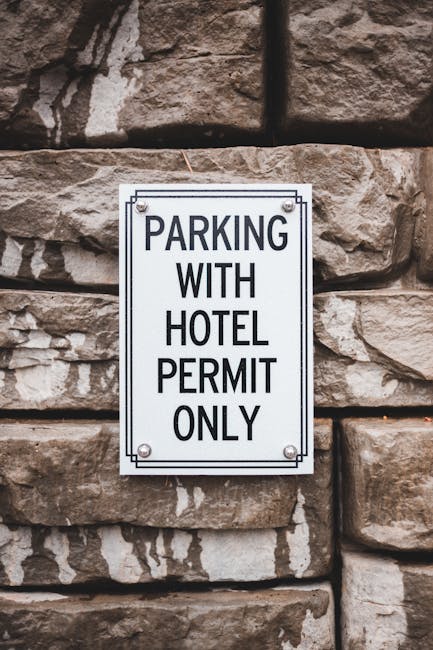
Do I need a parking permit for Locksbottom removals?
Posted on 23/06/2026
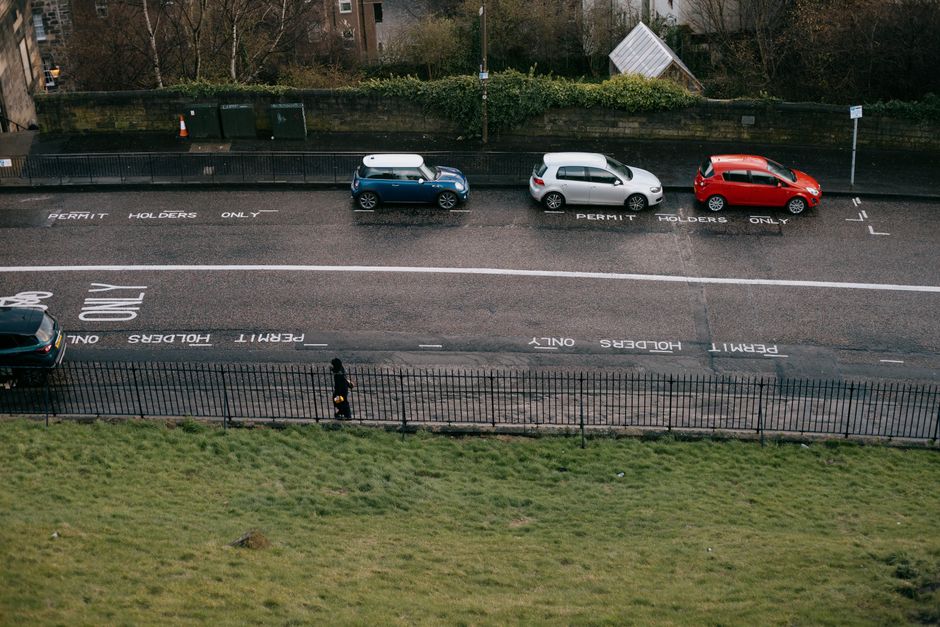
Short answer: sometimes, yes - but not always. If you are planning a move in Locksbottom, the real question is less about a universal rule and more about whether the van can legally and safely stop close enough to your property. That sounds simple until you are standing outside with boxes, a driveway half blocked by another car, and a removal crew trying not to lose twenty minutes to a tiny parking problem. Happens more often than people think.
This guide explains how parking permits usually work for removals in Locksbottom, why access planning matters, and what to check before moving day. It also covers the common mistakes that cause stress, delay, or surprise extra costs. If you want a smoother move, keep reading - a few minutes of planning now can save a lot of fuss later.
Why Do I need a parking permit for Locksbottom removals? Matters
Parking is one of those boring details that becomes the whole story on moving day. In a place like Locksbottom, where roads can be busy, bays can be tight, and a van may need to stop very close to the property, parking access can make the difference between a neat two-hour load and a day that drifts into late afternoon. Honestly, the boxes are rarely the issue. It is usually the curb space.
A permit may be needed when the removal van has to park in a controlled bay, on a restricted street, or in an area where stopping without permission could lead to a ticket or a tow-away risk. Even where a permit is not strictly required, some form of loading arrangement, temporary suspension, or access plan may still be needed. The safest approach is to treat parking as part of the move itself, not an afterthought.
There is also a knock-on effect on safety. If the van has to stop too far away, furniture gets carried further, paths get cluttered, and people tire faster. That is when minor bumps happen. A scratched wall, a strained back, a rushed lift. Nothing dramatic, but enough to spoil the day. If you want a fuller picture of move planning, the guidance in our stress-free house move guide fits neatly alongside parking prep.
Expert summary: If the van cannot stop close to the entrance, everything gets harder - slower loading, more lifting, more risk, more cost. So even if a permit is not always mandatory, access planning absolutely matters.
How Do I need a parking permit for Locksbottom removals? Works
The practical answer depends on three things: the road outside your property, the vehicle size, and how long the van needs to stay. Some streets allow short loading stops. Some require a resident, visitor, or trade-style permit. Others may have yellow lines, timed restrictions, or bay-only parking that changes by time of day. Welcome to local moving logistics - not glamorous, but very real.
In simple terms, the process usually looks like this:
- Check the street rules for the exact road, not just the area in general.
- Confirm the van size, because a small man and van setup and a larger removal van may be treated differently in practice.
- Work out how long access is needed for loading, unloading, and any waiting time.
- Decide whether you need a permit, suspension, or loading-only arrangement.
- Build the parking plan into the moving quote and schedule.
That last point is easy to miss. A lot of people book the moving service first and only think about parking when the team asks, "Where can we stop?" By then, you are already on the back foot. If your home is a flat, a converted building, or tucked near a busier stretch, the access issue becomes even more important. For those situations, these Locksbottom parking and access tips are especially useful.
Truth be told, the "permit or not" answer can change with the time of day. A street that seems fine at 8 a.m. may be much less forgiving by midday. That is why a bit of local know-how goes a long way.
Key Benefits and Practical Advantages
Sorting parking in advance does more than protect you from a ticket. It improves the whole move from start to finish. The benefits are practical, not theoretical.
- Less walking distance between property and van, which speeds up loading and unloading.
- Lower risk of damage to furniture, walls, door frames, and floors.
- Less stress on the day, because nobody is improvising at the curb.
- More accurate quotes, since the moving team can plan time and labour properly.
- Better coordination for flats, houses with narrow streets, and office moves.
There is another benefit people sometimes overlook: permits can protect the schedule. If the crew has to hunt for parking, everything starts to slip. A 10-minute delay on arrival can ripple into the rest of the day. By late morning, you are eating into your buffer. And nobody enjoys that.
Access planning also helps when you are moving bulky items. Think wardrobes, sofas, white goods, or anything awkward to carry. If you are moving furniture in the local area, it may be worth looking at furniture removals in Locksbottom as part of a broader, access-aware plan.
| Parking approach | Best for | Main benefit | Potential drawback |
|---|---|---|---|
| No permit needed | Quiet streets, private drives, easy loading access | Fastest and simplest | Still needs checking for restrictions |
| Visitor or temporary permit | Residential roads with managed parking | Legal stopping close to the property | May require advance arrangement |
| Loading bay / short stop | Busier roads and high street-style locations | Useful for quick access | Time-limited and easy to overrun |
| Private drive or forecourt | Houses with off-street parking | Usually the most convenient | May still need width/height checks |
Who This Is For and When It Makes Sense
If you are asking whether you need a parking permit for Locksbottom removals, you are probably in one of a few common situations. Let's make it easy.
- Home movers in terraced streets, cul-de-sacs, or busier roads.
- Flat movers where the van needs to stay close to a shared entrance.
- Students moving in or out with limited time and a tight schedule.
- Office movers where staff, deliveries, or customers may already use the kerbside.
- Anyone with large or fragile items that need shorter carry distances.
If you are in a private driveway with plenty of space, you may not need any parking permission at all. That said, do not assume. Some drives are too steep, too narrow, or blocked by overhanging branches or neighbouring vehicles. A van can technically park, but moving furniture in and out may still be awkward. Little details, big consequences.
For local residents in compact or access-sensitive streets, it is sensible to think in advance about the route from the van to the front door. Our street-by-street moving guide for BR6 is a good companion read if you want a more location-aware approach.
And if you are moving out of a flat, especially up stairs or through shared hallways, access becomes doubly important. A permit may be just one piece of the puzzle. The rest is timing, lift access, and not blocking your neighbours' day before coffee. That matters too.
Step-by-Step Guidance
Here is the cleanest way to approach parking for a Locksbottom move. Keep it practical, and do the boring bits early.
- Check your exact address and road layout. Even within the same area, parking rules can change from one street to the next.
- Identify whether parking is controlled. Look for resident bays, yellow lines, loading restrictions, bay markings, and time plates.
- Measure the access space. A van may need more room than you think once ramps, doors, and hand-trucks are considered.
- Ask the removals team what they need. A small van may be happy with short-term loading; a larger vehicle may need a dedicated spot.
- Arrange any permit or permission well in advance. Last-minute requests can be stressful and, sometimes, impossible.
- Share the parking plan with everyone involved. That includes the driver, the movers, and whoever is key-holder on the day.
- Keep a fallback option. If your first choice parking space is taken, know where the backup stop is.
If you are still at the planning stage, pairing this with good packing discipline helps. The article on packing precision for an efficient house move is a sensible next step because tighter packing means fewer trips, which means less pressure on parking.
One small but useful tip: photograph the street and parking area the day before, especially if you are arranging help for someone else. A picture of the kerb, the bay markings, and the frontage can tell a mover more than a paragraph of text. Old-school, but it works.
Expert Tips for Better Results
These are the things that tend to make a real difference, not just on paper but in the messy middle of moving day.
- Book the van for a realistic window. If parking is tight, do not cut the timing too fine.
- Keep the van-loading side clear. Bins, bicycles, and garden clutter can slow everything down.
- Pack heavy items sensibly. That makes carrying from a distant parking spot far less punishing.
- Label bulky items early. If the crew knows where things go, they can unload faster and avoid shuffling items around twice.
- Ask about insurance and safety. Parking decisions and lifting risk often go together.
A small human observation here: the best move days often look almost boring. The van arrives, the access point is clear, the team gets on with it, and nobody is standing around arguing about a space near the kerb. Boring is good. Boring is efficient.
If you are moving awkward items, such as a sofa or piano, parking distance matters even more. For bigger pieces, see the dedicated guidance on protecting your sofa during storage and moving a piano without doing it alone. Those articles help explain why careful access planning matters so much for fragile or heavy items.

Common Mistakes to Avoid
Most parking problems during removals are not disasters. They are just avoidable. That is the annoying part.
- Assuming parking rules are the same across Locksbottom. They are not.
- Leaving it until the day before. This is where stress begins.
- Forgetting about time restrictions. A space may be legal at one time and not another.
- Not accounting for the size of the van. A small car-sized bay is not the same as a removal vehicle bay.
- Failing to tell the movers about narrow access or low branches. Small details matter.
- Ignoring loading/unloading delays. If the van has to circle the block, the clock starts ticking.
Another common slip: people tidy the house, pack the kitchen, and sort the keys - then forget the outside space completely. Yet the pavement, driveway, and front bay are all part of the move. It sounds obvious written down. On the day? Not always.
If you are trying to keep costs under control, it is also worth understanding where hidden extras can creep in. The article on hidden fees in Locksbottom quotes is a good companion piece here.
Tools, Resources and Recommendations
You do not need a complicated toolkit to sort parking for a move, but a few simple things help a lot.
- Site notes for the exact address, gate width, and door-to-van distance.
- Photos of the street taken in daylight and, if helpful, later in the evening to show changing conditions.
- A moving checklist with parking, keys, lift access, and packing all in one place.
- A rough inventory so you can judge whether one van trip or multiple runs are likely.
- Advance communication with the removal team, especially if the road is busy or shared.
If you are still comparing moving help, it can also be useful to review removals in Locksbottom, man with a van in Locksbottom, or house removals in Locksbottom depending on the size of your move. The point is not to browse endlessly; it is to match the service to the parking reality.
One final recommendation: if your move is time-sensitive, ask whether a same-day option is available. It is not the answer for everyone, but for urgent moves it can be useful. See same-day removals in Locksbottom if you need speed as well as coordination.
Law, Compliance, Standards, or Best Practice
This is the cautious bit, and it should be handled carefully. Parking rules are local and can vary by road, bay type, and time restriction. So while there are common UK parking patterns, you should not assume one rule applies everywhere in Locksbottom. Best practice is to verify the exact street conditions before the move rather than relying on general advice.
From a practical compliance point of view, the main points are straightforward:
- Do not park where a restriction applies unless you have the correct permission.
- Do not block access routes for neighbours, emergency vehicles, or pedestrians.
- Use loading areas properly and stay within the permitted time if one is provided.
- Give accurate information to the removals team so they can plan legally and safely.
Safety and access are connected. Good moving practice means reducing lifting distance, keeping pathways clear, and avoiding rushed manoeuvres around parked cars. If you want to understand the broader safety approach, the pages on insurance and safety and health and safety policy are relevant background reading.
For sustainability-minded moves, parking planning also helps reduce wasted vehicle movement and unnecessary repeated trips. That fits neatly with the thinking behind recycling and sustainability. Fewer wasted runs, less hassle, less fuel burnt. Simple, really.
Options, Methods, or Comparison Table
If you are weighing up the best way to handle parking for a removal in Locksbottom, this comparison may help. There is no perfect answer for every property, but there is usually a best-fit option.
| Method | Pros | Cons | Best use case |
|---|---|---|---|
| Driveway access | Fast, private, simple | Can be tight or blocked | Detached homes and wider front drives |
| Temporary permit / arranged space | Close access, fewer delays | Needs planning and confirmation | Residential streets with managed parking |
| Street loading stop | Flexible and often practical | Time pressure, enforcement risk | Short, efficient moves with a small team |
| Remote parking and carry | Sometimes the only option | Slower and more tiring | Busy roads or restricted streets |
If your property access is awkward, a smaller vehicle might be the smarter choice than a larger van. That is not always obvious, but it can make the whole day easier. A compact load plus shorter carry sometimes beats a giant van that cannot stop where it needs to. Funny how that works.
Case Study or Real-World Example
A typical Locksbottom move might involve a two-bedroom flat near a busier road. The client has a lift, but the van cannot park directly outside for long. Instead of leaving this to chance, the mover checks the road layout, the available bays, and the likely loading window a few days ahead. The client then clears a small space near the entrance, labels the boxes by room, and keeps the hallway open.
On moving day, the van stops as close as allowed, the team loads in a steady rhythm, and the lift is used efficiently. Nothing dramatic. No frantic "can you move your car?" conversation. No pointless back-and-forth. Just a clean transfer. The move finishes earlier than expected because the access plan was sorted before the first box moved.
Now compare that with the opposite version: no parking check, no loading plan, and a van circling the block while someone tries to guess whether a bay is fair game. That version is slower, more tiring, and usually more expensive. It is also far less pleasant for neighbours, which matters more than people admit.
For moves involving awkward or oversized pieces, the benefit is even clearer. If you are dealing with a bed, mattress, or storage item, access planning is not a nice extra. It is part of the job. Helpful reading includes bed and mattress move efficiency and storage solutions for freezers not in regular use.
Practical Checklist
Use this before move day. It is simple, and it works.
- Confirm the exact street and parking restrictions for the property.
- Check whether the van can legally stop near the entrance.
- Ask whether a permit, loading bay, or temporary suspension is needed.
- Share any access details with the removals team early.
- Measure gates, driveways, stairwells, and narrow turns if relevant.
- Clear the front path, hallway, and loading area.
- Plan for neighbours, bins, and other parked vehicles.
- Build in a time buffer for parking delays.
- Keep keys, documents, and contact details to hand.
- Take photos of the outside access if the situation is tricky.
If you are moving out of a student property or a flat with limited curb access, this checklist becomes even more useful. The combination of student removals in Locksbottom and a sensible parking plan can make a surprisingly big difference.
And yes, if you need help packing beforehand, that matters too. You can take a look at packing and boxes in Locksbottom when you want the rest of the move lined up properly.
Conclusion
So, do you need a parking permit for Locksbottom removals? Sometimes you do, sometimes you do not - but you should never guess. The right answer depends on the exact street, the type of parking outside your property, and how close the van needs to get to the door. The more restricted the access, the more likely you will need a formal plan.
The best approach is simple: check early, share details clearly, and treat parking as part of the move rather than a side issue. That one habit can save time, reduce lifting, and keep the whole day calmer. Which, let's face it, is what everyone wants.
If your move also involves timing pressures, apartment access, or unusual items, it is worth looking at the full picture rather than just the curb. That is usually where the hidden stress lives. Sort that out, and the rest tends to feel much lighter.
Get a free quote today and see how much you can save.
A well-planned move has a quieter kind of confidence to it. You can feel it before the first box leaves the room.