Skip permits and kerbside rules for BR6 house moves
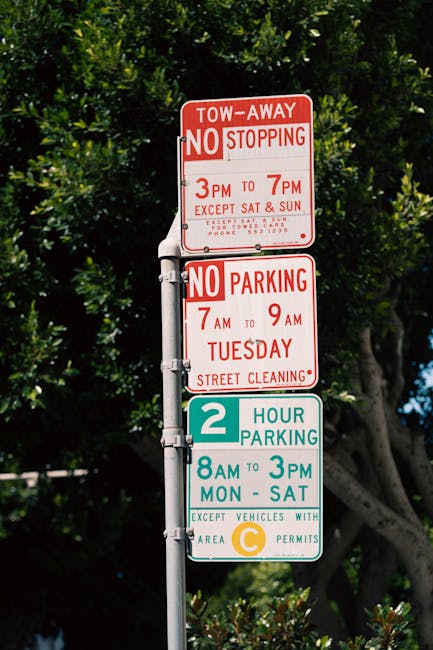
If you are planning a move in BR6, the skip outside your home and the van at the kerb can become the two biggest headaches on the day. One needs permission, the other may be restricted by parking, loading bays, yellow lines, or local access rules. Skip permits and kerbside rules for BR6 house moves sound dull on paper, but they can decide whether your move feels smooth or turns into a slow, awkward shuffle of boxes up and down the pavement.
This guide breaks it all down in plain English. You will learn what the rules usually mean, how they affect house moves, what to check before moving day, and how to avoid the classic problems that catch people out. A lot of this is about planning, truth be told, and a little bit of common sense goes a long way.
Why skip permits and kerbside rules for BR6 house moves matter
For most house moves, the road outside matters as much as the property itself. If a skip is placed on the highway, a permit may be required. If a removal van needs to stop at the kerb, there may be waiting restrictions, time limits, or access concerns to work around. In BR6, where streets can vary from residential roads to tighter suburban lanes and busier approach roads, those details quickly become practical, not theoretical.
The key point is simple: the move is not only about what fits inside the van. It is also about whether the van can legally stop close enough to do the job efficiently. If it cannot, you may spend extra time carrying furniture, slowing the team down and increasing the chance of damage. Nobody wants a sofa balanced on a corner while someone says, rather helplessly, "I thought we could just leave it there for ten minutes."
Kerbside rules also affect neighbours and traffic flow. A skip that blocks sight lines, a van that sits on double yellow lines, or loading that spills into a busy school-run window can all create friction. Even when no one complains, you may still find a council warden, traffic enforcement officer, or skip provider asking questions. Better to sort the boring stuff early than improvise with a kettle boiling in the background and a crew waiting at the door.
For a smoother planning phase, many households also look at wider moving support such as home moves or a flexible man and van option, especially when the property, street access, or parking is a bit tight.
How skip permits and kerbside rules for BR6 house moves works
Let's keep this practical. There are usually two separate questions:
- Will a skip be placed on private land or on the road?
- Can the moving vehicle stop where it needs to load or unload?
If the skip stays entirely on private property, such as a driveway or front garden with suitable access, a permit may not be needed. But if the skip is placed on a public road or verge, the local authority normally controls that space. The same general principle applies to kerbside loading. A vehicle that stops on the road must still respect parking restrictions and traffic rules.
In a house move, the two issues often overlap. Maybe the old furniture is going into a skip, or packaging waste builds up faster than expected. Maybe the removal van needs to park near the front door because the hallway is narrow and you do not want an endless relay from the pavement. In both cases, access planning becomes part of the move itself, not an extra admin task you deal with later.
A good removal team will usually ask questions about access before the move. That is not them being fussy; it is them trying to avoid an expensive delay. They may want to know whether there is a driveway, whether a large van can turn safely, whether the road has restrictions, and whether there are bay markings or a narrow turning point. A two-minute conversation can prevent a two-hour headache.
If you are comparing moving support, it can also help to understand the difference between removal services, house removals, and a smaller removal van setup. The right vehicle matters more than people expect.
Key benefits and practical advantages
When skip permits and kerbside rules are handled properly, the benefits show up in very ordinary ways. That is what makes them valuable. They do not just keep you compliant; they keep the day moving.
- Fewer delays: the van can load and unload with less waiting around.
- Lower risk of fines or complaints: fewer parking or highway issues to worry about.
- Safer handling: shorter carrying distances reduce the chance of dropped items.
- Less neighbour friction: nobody enjoys a skip blocking a driveway or pavement.
- Better cost control: avoiding a permit oversight or parking dispute helps keep the move on track.
There is also a less obvious benefit: stress drops. Once access is sorted, the rest of the move feels more manageable. People often underestimate this. A clear kerbside plan means the team can work methodically, the boxes move in a cleaner flow, and you are not standing at the door wondering why the van has disappeared around the corner. Again.
If you want extra help with packing before the van arrives, it may be worth looking at packing and unpacking services. When boxes are labelled properly and waste is reduced, skip use becomes much easier to control too.
Who this is for and when it makes sense
These rules matter for anyone moving house in BR6, but they matter most if your home has limited frontage, shared access, or street parking only. That includes terraced houses, semi-detached homes on busy residential roads, flats with communal access, and properties where the van cannot sit neatly on the driveway without blocking someone else in.
You will usually need to pay close attention if:
- your street has waiting restrictions or controlled parking bays
- the skip needs to be placed on the road rather than your property
- the van will be loading heavy furniture close to the kerb
- you are moving at a busy time of day, such as early morning or school-run hours
- you have a large amount of waste, old furniture, or renovation debris to clear
This is also relevant for landlords, tenants, and homeowners who are trying to time everything around completion day. If the keys arrive late, the street is already crowded, or the weather turns grim at 8:30 in the morning, you will be glad the access plan is already sorted. It sounds obvious, but moving days are rarely as tidy as the spreadsheet.
Commercial customers in the area can face similar issues, only with heavier equipment and tighter schedules. For those moves, commercial moves and office removals follow the same logic: access, parking, and loading permissions should be planned before the first item is lifted.
Step-by-step guidance
Here is a straightforward way to deal with skip permits and kerbside rules without overthinking it.
- Check where the skip or vehicle will actually sit. Private drive, front garden, highway, bay, or shared access route all have different implications.
- Look at the street layout. Is there enough space for a van to park without blocking junctions or driveways? Can it turn safely?
- Review local restrictions. Pay attention to yellow lines, loading bays, permit zones, time-limited parking, or any signs near the property.
- Decide whether a skip is even needed. Sometimes a cleaner packing plan and a few separate runs may reduce the need for a skip altogether.
- Book early if a permit may be needed. Permit processing usually takes planning time, and nobody wants that done the night before.
- Tell the mover everything. If there is a narrow gate, low wall, steep slope, or awkward corner, mention it. Do not assume they will guess.
- Keep the loading route clear. Park cars elsewhere, move bins, and make sure the pavement access is not cluttered.
- Have a backup plan. If kerbside space is not available, identify the next nearest legal place to stop.
In many cases, the best outcome is simple: the van arrives, stops legally, loads quickly, and leaves. No drama. That is the goal. Anything else is a detour.
Expert tips for better results
These are the sorts of practical details that often make the biggest difference on the day.
- Measure access properly. Width, height, overhanging branches, tight gates, low walls, and steps all matter more than people expect.
- Think about timing, not just location. A space that is fine at 10 a.m. may be useless by 3 p.m. if local parking fills up.
- Separate waste from move items early. That makes skip planning easier and avoids the classic mixed-pile mess on the front path.
- Use labels that are obvious. It sounds small, but it keeps the crew efficient and avoids confusion when boxes are coming out fast.
- Protect the kerbside route. Sheets, floor protectors, or cardboard can help prevent scuffs at the entry point.
A useful habit is to walk the route from the front door to the vehicle the day before. Not in theory. Actually walk it. You will spot the wheelie bins, the loose paving slab, the hedge that sticks out a bit too far, and the awkward step that always seems smaller until you are carrying a washing machine over it.
If you are still deciding what type of support is right for the move, browse the broader removals options alongside a smaller man with van removal approach. Sometimes the simplest setup is the one that handles the access best.
Common mistakes to avoid
Most kerbside problems are not dramatic. They are the sort of small errors that snowball. A few examples:
- Assuming a skip can sit anywhere. Road placement often has separate rules.
- Forgetting that the van needs stopping space. A beautiful driveway is great, unless it is already full of another car.
- Leaving permit checks until the last minute. That is a classic moving-day trap.
- Ignoring road signs because the move is "only for a bit". Enforcement does not really care that it is only ten minutes.
- Overloading the front area. A cluttered kerbside makes loading slower and riskier.
One particularly common mistake is trying to solve everything on the day. That usually means someone is on the phone, someone else is carrying a lamp, and a neighbour is trying to reverse out of their driveway. Not ideal. Not even close.
Another one is failing to tell the removal team about the real access conditions. If a van must park 40 metres away, say so. If there is no easy turning point, say so. If the road is narrow and the only legal space is around the corner, say so. They can work with awkward conditions, but they need the truth, not a hopeful version of it.
Tools, resources and recommendations
You do not need a complicated toolkit, but a few practical items can make the whole move less chaotic.
- Printable moving checklist: useful for tracking permit checks, parking checks, and packing deadlines.
- Measuring tape: helps confirm whether furniture, bins, or a skip can fit where you expect.
- Notepad or phone notes: ideal for recording access details, gate codes, and arrival timings.
- High-visibility labels: make it easier to separate keep, donate, recycle, and dispose piles.
- Floor protection materials: helpful around the front door, hallway, and any tight turning points.
For families who want a more managed move, house movers and house removalists can be a sensible choice because they are used to handling access questions before the van is even loaded. And if you need a bigger vehicle for bulkier contents, a moving van or moving truck may be the better fit, depending on the street.
Law, compliance and best practice
This area touches local highway control, parking restrictions, and public safety, so cautious planning matters. The exact permit rules depend on where the skip will be placed and which authority controls the road. For kerbside loading, the main issue is usually whether the vehicle is parked legally and safely, not whether it is convenient. Convenience is lovely, but it is not a legal defence.
Best practice is to treat the street as shared space. Keep access routes open where possible, avoid blocking driveways, and respect any signs or bay markings. If a permit is needed, allow enough time for it. If a loading area is restricted, plan a different stop point before the crew arrives. Simple, but very often missed.
There is also a safety angle. Heavy lifting from a poor parking position increases strain and the risk of damage to furniture, walls, and ankles. The odd bit of lift-and-carry is unavoidable in removals, but long awkward carries should be reduced whenever possible. Good teams look after the route as carefully as the boxes. That is one sign you are dealing with people who know what they are doing.
If you want reassurance around standards and handling, the website's health and safety policy and insurance and safety information are useful places to understand how careful moving work is approached. For pricing clarity, you can also check pricing and quotes before booking.
Options, methods, or comparison table
There is no single best setup for every BR6 move. The right choice depends on street access, waste volume, and how much you need moved in one go.
| Option | Best for | Kerbside impact | Typical downside |
|---|---|---|---|
| Skip on private land | Homes with a driveway or space off-road | Usually minimal | Requires enough private space and easy access |
| Skip on public road | Properties with no off-road option | Higher, because permit rules may apply | More admin and more care needed around placement |
| Small removal van | Compact house moves, lighter loads | Lower if parking is easier to find | May require more trips |
| Large moving van or truck | Full house contents or bulkier furniture | Can be trickier on narrow streets | Needs more careful access planning |
| Man and van setup | Flexible moves with limited volume | Often easier to position near the kerb | Not always suitable for larger homes |
In plain terms, smaller and more flexible is often easier around restricted kerbside spaces. Bigger is not always better. It looks efficient on paper, then the road says otherwise.
Case study or real-world example
Imagine a family moving out of a semi-detached house in BR6 on a Saturday morning. The house itself is straightforward, but the street has limited parking and a couple of residents usually leave cars outside their homes overnight. There is also a pile of old furniture to remove, including a broken wardrobe, packaging from the move, and a few items that are not worth taking to the new place.
At first, they assume a skip can sit on the road for a day and that the van will just "find somewhere". But after a quick access check, it becomes obvious that the best solution is different: the skip stays off-road only if there is enough room, otherwise the waste is split and a smaller removal vehicle is booked so it can park closer to the entrance. The team also asks them to move the family car the evening before so the kerbside space is clear first thing.
The result is boring, in the best way. The crew loads quickly. The furniture is carried a short distance instead of halfway down the road. The neighbours are not blocked in. The job finishes sooner than expected, and the family can get on with the rest of the move without that nagging feeling that something is about to go wrong. That calm, ordinary finish is what good planning buys you.
It is rarely about finding a perfect road. It is about choosing the least awkward one.
Practical checklist
Use this before moving day. It keeps the process tidy and stops the usual last-minute scramble.
- Confirm whether the skip will be on private land or public highway
- Check if a permit is likely to be needed
- Review parking signs, loading restrictions, and bay markings
- Measure access points, gates, and tight corners
- Clear the kerbside area of personal cars and bins
- Tell the removals team about any awkward access
- Separate waste, donations, and keep items in advance
- Protect floors and door frames where needed
- Allow extra time for loading if parking is limited
- Keep a contact number handy for the mover on the day
Expert summary: the best BR6 house moves are the ones where the access plan is decided before the van arrives, not after the first sofa is halfway through the door.
Get a free quote today and see how much you can save.
Conclusion
Skip permits and kerbside rules for BR6 house moves are not glamorous, but they are a big part of getting the day right. If you know where the skip will go, whether the van can stop legally, and how the loading route will work, you remove a lot of friction before it starts. That means fewer delays, fewer surprises, and a more relaxed move overall.
In practice, the best approach is calm and methodical: check the street, respect the rules, tell the team what they really need to know, and build in a little flexibility. That small bit of planning can make the whole day feel easier. And honestly, that is what most people want from a house move in the end - less chaos, more momentum, and a proper finish.
For more background on the company and the way it works, you may also find about us helpful. If you are ready to organise the move itself, start early, stay practical, and keep the kerbside clear. It really does pay off.
Frequently Asked Questions
Do I need a permit for a skip in BR6?
If the skip is placed on the public highway, a permit is commonly required. If it stays fully on private land, such as a driveway, that may not be necessary. The exact answer depends on the placement and local rules.
Can a removal van stop on the kerbside during a house move?
Sometimes, but only if it is legal and safe to do so. Parking bays, yellow lines, loading restrictions, and access issues all matter. A van should never be placed where it risks a penalty or blocks essential access.
What happens if there is no space outside my house?
You may need a different vehicle size, a nearby legal stopping point, or a revised loading plan. In tighter streets, planning a short carry from the nearest suitable space is often better than forcing a bad parking position.
How far in advance should I check skip and parking rules?
As early as you can. Ideally, check them as soon as the move date is known. That gives you time to arrange a permit if needed and avoid a last-minute rush.
Are kerbside rules different for a large moving truck?
The same parking principles apply, but a larger vehicle usually needs more space, more turning room, and more careful planning. On narrow BR6 streets, a smaller vehicle can sometimes be the smarter choice.
Is it better to use a skip or a man and van for moving waste?
It depends on volume and timing. A skip suits larger waste loads, especially if you are clearing out a property. A flexible van-based removal can work better when you want waste taken away as part of the move and kerbside space is limited.
What are the most common kerbside mistakes people make?
The biggest ones are assuming a space is fine without checking, forgetting about permit requirements, and not telling the mover about narrow roads or parking restrictions. Those three cause a surprising amount of trouble.
Can I leave furniture on the pavement while loading?
Only if it does not create a hazard or block access. Keeping the pavement clear is usually the safer and more considerate approach. A short, organised loading line works better than a scattered pile.
What if my move date changes after I arrange a permit?
You should check the permit terms and contact the relevant provider or authority as soon as possible. Do not assume a change is automatically covered. A date shift can affect whether the permit still works.
How do I know what vehicle size I need?
Look at the amount of furniture, the access at both properties, and how much parking room is available. If in doubt, ask for guidance based on a room-by-room list. A quick review is usually enough to narrow it down.
Should I tell the removal team about road restrictions even if I think they will notice them?
Yes. Tell them anyway. They may spot them too, but the more detail they have in advance, the better they can plan the arrival, parking, and loading order.
Do skip permits and kerbside rules affect same-day moves?
Very much so. Same-day moves leave less room for error, so access planning becomes even more important. If parking fails, the whole schedule can slip quickly.
What is the easiest way to reduce kerbside problems?
Keep the frontage clear, choose the right vehicle size, and sort out access details before moving day. That combination removes most of the common issues before they start.