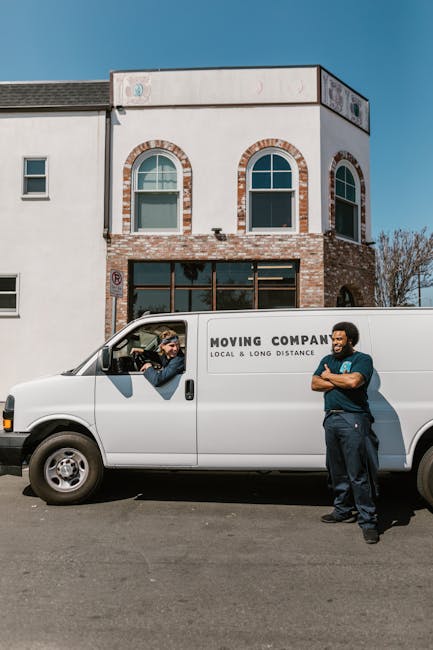
Man with van tips for moves from Petts Wood to Locksbottom
Moving from Petts Wood to Locksbottom looks short on a map, but anyone who has done a local move knows the real work is in the details. Parking, access, fragile furniture, awkward stairwells, and timing all matter. The good news? With the right planning, a man with van move can be efficient, calm, and far less stressful than people expect. In this guide, we'll walk through practical man with van tips for moves from Petts Wood to Locksbottom, from booking the right vehicle to loading safely and avoiding the little problems that tend to appear at the worst moment.
You'll find a clear step-by-step process, honest advice on common mistakes, and a few local-minded pointers that make a real difference on moving day. If you're weighing up whether this kind of move is right for you, or you just want to avoid the classic "we thought it would fit" moment, you're in the right place.
Table of Contents
- Why Man with van tips for moves from Petts Wood to Locksbottom Matters
- How Man with van tips for moves from Petts Wood to Locksbottom Works
- Key Benefits and Practical Advantages
- Who This Is For and When It Makes Sense
- Step-by-Step Guidance
- Expert Tips for Better Results
- Common Mistakes to Avoid
- Tools, Resources and Recommendations
- Law, Compliance, Standards, or Best Practice
- Options, Methods, or Comparison Table
- Case Study or Real-World Example
- Practical Checklist
- Conclusion
- Frequently Asked Questions
Why Man with van tips for moves from Petts Wood to Locksbottom Matters
A local move can seem straightforward because the distance is short. But a short distance does not mean a short to-do list. Petts Wood to Locksbottom might involve tighter roads, residential parking, school-run traffic, and properties that do not make loading easy. That is exactly why sensible man and van planning matters.
The biggest challenge with smaller removals is often not the driving. It is everything around the driving. Where will the van park? Can you get a sofa through the front door without turning it on its side? Is there enough time to do two trips if needed? These questions sound small. They are not.
In our experience, the people who have the smoothest move are the ones who treat a man with van service as a proper moving system, not just a vehicle with someone behind the wheel. They measure, label, group, and communicate. It sounds basic because it is basic. And basic done well saves a surprising amount of hassle.
There's also a local reality to think about. Locksbottom has its own traffic flow and access quirks, and a route that looks simple at 9am can feel very different at 4pm. If your move needs precise timing, that affects everything from loading order to whether you want a second pair of hands. Truth be told, this is where many moves either stay calm or go a bit sideways.
Expert summary: For a move from Petts Wood to Locksbottom, the real win is not simply hiring a van. It is planning access, load order, parking, and timing well enough that the move feels controlled rather than rushed.
How Man with van tips for moves from Petts Wood to Locksbottom Works
A man with van move is usually best for smaller house moves, flat moves, furniture transport, or partial relocation jobs. The service typically includes a driver and vehicle, and sometimes loading help as well. Depending on what you book, you may also get assistance with carrying, protecting furniture, and arranging items inside the van.
For a Petts Wood to Locksbottom move, the process normally starts with a quick assessment of volume. That might be done by photos, a list of rooms, or a short conversation about the bigger items. A decent mover will want to know whether you have beds, wardrobes, white goods, garden items, or just a few boxes and one awkward sofa. It makes a difference. A big difference, actually.
Next comes route and access planning. The move itself may be under an hour in driving time, but loading and unloading can take far longer than people expect. Lifts, hallways, narrow stairs, shared entrances, and parking restrictions all shape the job. A van that is too small causes extra trips. A van that is too large can be awkward to position. Neither is ideal.
Then there is packing and protection. Soft items can usually be packed into boxes, but furniture and appliances need padding, blankets, straps, and a plan. If you've ever seen a chest of drawers slide half a foot during a cornering turn, you already know why. It's never elegant.
To make the process clearer, think of it in three stages:
- Pre-move planning: inventory, measuring, parking, and timing.
- Move-day handling: loading order, protection, lifting, and transport.
- Arrival setup: unloading, placing items, and checking for damage or missing parts.
Once you understand those three parts, a man with van move becomes much easier to control. Not perfect. Just easier. And that matters on a busy day.
Key Benefits and Practical Advantages
There is a reason many people choose a man with van service for local removals instead of a full-scale removal vehicle. It suits the job. If your move is smaller, quicker, or needs a more flexible approach, the benefits can be very practical.
1. Better fit for smaller loads
If you are moving out of a studio, one-bedroom flat, or a home with only a few large items, a man with van can be a sensible match. You are not paying for a huge lorry when a compact, well-organised van would do the job neatly.
2. Flexible timing
Local moves often need flexibility. Maybe you get the keys later than planned. Maybe the previous occupier is still finishing up. A smaller moving setup can often adapt more easily than a rigid, multi-team operation.
3. Easier access in tighter streets
Some residential roads are just not built for large vehicles. A van can often manage kerbs, corners, and parking positions more comfortably. That can reduce delay and stress.
4. Faster loading for well-prepared moves
If you've sorted, packed, and labelled everything properly, a man with van job can be surprisingly quick. Boxes go in together, furniture is strapped down, and the journey between Petts Wood and Locksbottom is simple enough when the groundwork is done.
5. Good value for straightforward removals
For the right kind of move, this can be one of the most cost-effective ways to shift belongings locally. The key word is right. If your move is large or complex, the cheapest option may not be the best one.
There's a small but important benefit people overlook: confidence. When the move is matched properly to the task, you worry less. That calm is worth quite a lot on moving day, especially when you are juggling keys, boxes, and the eternal mystery of where the kettle ended up.
Who This Is For and When It Makes Sense
A man with van setup is not for every move, and that's fine. The best choice depends on your volume, access, time pressure, and how much physical help you need. It suits some people beautifully and would be clumsy for others.
This approach usually makes sense if you are:
- moving from a flat, studio, or small house
- shifting selected furniture rather than an entire household
- relocating a few streets or a short local distance
- moving on a tight schedule or with limited access
- transporting bulky items like sofas, beds, or wardrobes
- combining a move with storage, decluttering, or furniture pick-up
It is also a good fit if you're handling a partial move before a bigger relocation later. For example, you might move the essentials first, then return for storage boxes, the spare room furniture, or anything that does not need to go immediately. That can take a bit of pressure off, and pressure is usually what ruins the day.
On the other hand, if you have a large family home full of furniture, lots of fragile items, or several rooms worth of belongings, you may need a fuller removal service. A van can still be part of the solution, but it may need to be one part of a larger plan. No shame in that. Better to be realistic than to find yourself doing four trips and regretting your life choices by lunchtime.
If you are comparing service styles, useful supporting pages on this site include man with van, man and van, and home moves. They help you judge which setup is likely to suit your situation best.
Step-by-Step Guidance
If you want the move to feel manageable, follow a simple process. Nothing fancy. Just a clean sequence that keeps the important things in order.
Step 1: Make a realistic inventory
Walk through each room and list the items you need to move. Include the obvious furniture, but also those easy-to-forget bits: lamps, mirrors, plant pots, under-bed storage, hallway shelves, and the box of loose cables nobody wants but everybody owns. If it needs space in the van, write it down.
Step 2: Measure the large items
Measure sofas, beds, wardrobes, fridge-freezers, and anything wide or tall. Then check doorways, stair turns, and any lift dimensions if relevant. This is not overkill. It is the difference between "that fits nicely" and "well, we're pivoting again".
Step 3: Decide what needs protection
Not every item needs a blanket wrap, but the following usually do:
- glass furniture
- mirrors and framed art
- table tops
- TVs and screens
- wooden pieces with vulnerable corners
- appliances that must stay upright
Use strong boxes for books and mixed household items. Heavy but manageable. That's the sweet spot.
Step 4: Confirm parking and access
Check where the van can stop at both ends. If there is no easy loading space, think about the nearest workable alternative and how far you will need to carry items. Even a short push across a forecourt or path can change the whole rhythm of the job.
Step 5: Pack in the right order
Pack the least-used items first and the essentials last. Keep chargers, documents, medication, toiletries, snacks, and a kettle box separate if you want to enjoy the first evening in the new place. You really do not want to be hunting for tea bags at 8.30pm.
Step 6: Load the van strategically
Heavy items should go in first and sit low. Softer or lighter items can fill gaps and protect edges. Use straps where needed so nothing shifts during the drive. A van is a moving space, not a storage cupboard, despite what some people seem to assume.
Step 7: Unload with a placement plan
Label boxes by room. Tell the mover where each load should go before unloading begins. It sounds small, but it prevents a lot of backwards-and-forwards carrying. If you've ever carried the same box three times, you know the pain. Nobody wants that.
Expert Tips for Better Results
These are the little refinements that make a local move go from decent to genuinely smooth. They're not flashy, but they work.
Book the right size of vehicle, not the smallest one
People often try to save money by booking a van that is a little too tight. Then the move takes longer, the load gets messy, and stress rises. A slightly larger van can be the more efficient option if it avoids a second trip. The maths is not always obvious at first glance.
Keep a "do not pack" box
Put the following in one separate box or bag: keys, chargers, documents, snacks, wipes, medication, phone cables, and anything you need in the first 24 hours. Label it clearly. Very clearly.
Take photos before dismantling furniture
If a bed frame, table, or shelving unit needs taking apart, take photos before you start. You'll thank yourself later. It can save an awkward ten minutes of staring at screws and wondering what on earth "left side bracket" meant.
Use soft items as padding
Blankets, towels, and duvet covers can protect corners and fill small voids in the van. It is one of those practical tricks that sounds almost too simple, but it genuinely helps.
Plan around traffic, school times, and busy periods
With a short move between Petts Wood and Locksbottom, the schedule is often the hidden issue. A 30-minute route can become a much longer morning if you hit a busy spell. A little timing awareness goes a long way.
Keep communication clear and brief
If you are working with helpers, give short instructions and avoid constant changes once loading starts. The more confident the plan, the smoother the day. Everyone gets calmer. Even the person holding the sofa at an awkward angle.
A useful rule of thumb: if something is fragile, awkward, or expensive to replace, protect it twice and move it once. That line is not official wisdom or anything, just experience.
Common Mistakes to Avoid
Local moves often fail for predictable reasons. The good news is that most of them are easy to avoid once you know what to watch for.
Underestimating the volume
The classic mistake is thinking "it's only a few bits". Then the hallway fills up, the small pile becomes a mountain, and suddenly the van is very full. If in doubt, be generous with your estimate.
Ignoring access at one end of the move
People often check the old address and forget the new one, or vice versa. Both matter. A difficult unloading point can slow the whole move, especially if there are stairs, gates, or no direct parking nearby.
Packing heavy items into weak boxes
Books in weak boxes are a back and a half waiting to happen. Use strong boxes, seal them properly, and do not overfill. If a box feels oddly heroic to carry, it may already be too heavy.
Leaving disassembly until moving day
Yes, sometimes it has to happen on the day. But if a wardrobe, bed frame, or desk can be taken apart ahead of time, do it. You will reduce delays and make loading far safer.
Not labelling boxes by room
Without clear labels, unloading becomes a guessing game. That adds time and friction at the exact moment you want none of that.
Forgetting protective materials
Blankets, straps, tape, bubble wrap, and corner protectors are not just nice-to-have extras. They are part of avoiding damage. For a move with furniture and delicate pieces, they matter.
One more thing: don't assume "local" means "casual". A short move still deserves a plan. Probably more than a casual one, if we're honest.
Tools, Resources and Recommendations
You do not need a warehouse full of gear to make a move work, but a handful of simple tools can make the day noticeably easier.
- Strong boxes: for books, kitchen items, and mixed household goods
- Marker pens: for room labels and quick notes
- Furniture blankets: for sofas, tables, and fragile corners
- Ratchet straps or tie-downs: to secure heavier items in the van
- Tape and tape dispenser: quicker than fiddling with loose tape ends
- Basic toolkit: for bed frames, shelving, and simple dismantling jobs
- Protective wrap: for glass, mirrors, and surface protection
If you are moving household furniture specifically, it can help to read about furniture pick up and house removals so you can see how smaller transport jobs sit alongside fuller moving support.
For packing technique, the site's guidance on packing and unpacking services and packing precision is worth a look. Good packing is not glamorous, but it is where a lot of moving-day pain disappears.
Law, Compliance, Standards, or Best Practice
For most household moves, the main compliance concerns are practical rather than complicated. That said, a responsible man with van move should still follow proper standards around safety, insurance, and careful handling.
First, make sure the service you use is clear about what is covered. Insurance matters. You want to know how goods are protected during loading, transit, and unloading. The wording should be straightforward, not vague or full of smoke and mirrors. If something feels unclear, ask before you book.
Second, safe lifting is not optional. Heavy items should be moved with proper technique and, where needed, with two people. A tidy-looking move is not worth an injury. No box is worth a twisted back. Quite simply.
Third, parking and loading should be handled considerately. On a residential street, that means thinking about neighbours, pavement access, and blocking space for longer than necessary. In areas with tighter roads, this can be the difference between a smooth handover and a frustrating one.
Fourth, if you are disposing of items during the move, use proper recycling or waste routes. Do not leave unwanted furniture or packaging in the wrong place. Where sustainability matters to you, it is worth asking how waste and packaging are handled. You can also review the company's recycling and sustainability guidance and its insurance and safety information for extra reassurance.
Finally, if you want to understand the company's service expectations, policies, or payment process before booking, it is sensible to check the relevant pages in advance, including terms and conditions, payment and security, and pricing and quotes. Good providers are usually happy to be clear. That's how it should be.
Options, Methods, or Comparison Table
Different move types suit different levels of support. If you are unsure which direction to go, this simple comparison can help.
| Move option | Best for | Pros | Watch-outs |
|---|---|---|---|
| Man with van | Small to medium local moves, a few rooms, furniture transport | Flexible, practical, usually cost-conscious | Can be tight for larger households if the van is undersized |
| Removal van | Moderate household moves with more volume | Better capacity, more room for organised loading | May be more than you need for a very small move |
| Full removal company | Larger homes, complex moves, heavier workloads | More hands, broader support, stronger fit for bigger jobs | Usually higher cost and more structure |
| DIY hire van | People who can load, drive, and unload themselves | Maximum control, potentially lower direct cost | You do all the lifting, planning, and risk management yourself |
If your move is between Petts Wood and Locksbottom and only involves one or two rooms' worth of items, a man with van setup is often the sweet spot. If you are dealing with a larger family property, compare it against removal services or removal company options before deciding. A little comparison upfront can save a lot later.
Case Study or Real-World Example
Here is a realistic example based on the kind of move people often make in this area. A couple moved from a two-bedroom flat in Petts Wood to a house in Locksbottom. They had a bed frame, mattress, two sofas, a dining table, six chairs, three wardrobe sections, and around twenty boxes. Nothing wild, but enough to need proper planning.
They measured the largest items first and discovered the wardrobe sections would need to be taken apart. That one decision changed the whole job. It reduced loading stress and meant the van could be packed in one trip rather than squeezed awkwardly in two. They also separated a "first night" box with bedding, toiletries, mugs, kettle items, and charger cables. Small move, big comfort.
On the day, the driver arrived a little earlier than expected, which was actually useful because the road outside the new address had limited waiting space. Loading was done in room order, with soft items used around the furniture. There were no dramatic moments, which is always the dream. The move still took effort, of course, but it felt controlled rather than frantic.
What made the biggest difference? Three things: clear inventory, accurate access planning, and a realistic van size. Nothing glamorous. Just solid basics done properly. And that is usually the truth of a good local move. The unexciting stuff is what saves you.
Practical Checklist
Use this checklist a day or two before the move so you are not scrambling on the morning.
- Confirm moving date, time, and access arrangements
- Measure large furniture and tricky items
- Check parking at both addresses
- Label all boxes by room
- Prepare blankets, straps, tape, and markers
- Dismantle furniture where practical
- Pack a separate essentials box
- Photograph valuable or complex items before moving
- Keep pathways clear for loading
- Set aside keys, documents, and any important contacts
- Decide what is staying, going, or being recycled
- Make sure the van size suits the real volume, not just the estimate
If you only do one thing from this list, make it the inventory and access check. That one step prevents more trouble than people realise.
Conclusion
Moving from Petts Wood to Locksbottom does not have to be a stressful shuffle of boxes and second-guessing. With the right preparation, man with van tips for moves from Petts Wood to Locksbottom can help you keep the day simple, organised, and far more manageable than a lot of people expect.
The main idea is straightforward: plan the load, respect the access, protect the furniture, and choose the right level of help for the amount you are moving. Do that well and the move becomes less about panic and more about progress. A bit of patience goes a long way here.
Get a free quote today and see how much you can save.
And once the last box is inside, there's a real sense of relief, isn't there? A cup of tea, a deep breath, the sound of a new front door closing gently. That's the moment the move starts to feel like home.
Frequently Asked Questions
Is a man with van service enough for a move from Petts Wood to Locksbottom?
For many small to medium local moves, yes. If you are moving a flat, a small house, or just a few large items, it is often the most practical option. If your property has a lot of furniture or several bulky rooms, you may need a larger removal setup.
How do I know what size van I need?
Start with a full inventory and the biggest item measurements. If your load includes beds, wardrobes, sofas, or appliances, size up rather than down. A van that is too small creates extra trips and more stress.
Should I dismantle furniture before the move?
Yes, where practical. Beds, shelving, and some tables are easier and safer to move when taken apart. Just keep screws, fittings, and instructions together in a labelled bag.
What should I pack separately for moving day?
Keep essentials with you: keys, phone chargers, documents, medication, snacks, toiletries, and kettle items if you want a proper first cup of tea. That box should not disappear into the van.
How can I avoid damage to furniture?
Use blankets, padding, straps, and careful loading order. Protect corners and glass surfaces first. Avoid stacking heavy items on delicate pieces unless they are fully cushioned and secure.
Do I need to be present during the move?
It is usually best if you are there, or at least available by phone. Being present helps with access, room placement, and quick decisions if something unexpected comes up.
What if parking is tight at one of the addresses?
Plan it in advance. Identify the nearest safe loading point and be ready for a short carry if needed. Tight parking is manageable when everyone knows the plan before the van arrives.
How far in advance should I book?
For local moves, booking a little ahead is usually wise, especially if you want a specific date or time. Last-minute jobs can work, but they limit your options and may be harder to schedule neatly.
Can a man with van help with just one or two large items?
Yes, absolutely. That is one of the main reasons people use this kind of service. A sofa, mattress, wardrobe, or appliance can often be collected and delivered without the cost or size of a full removals job.
Are local moves cheaper than full-house removals?
Usually, yes, but the final cost depends on volume, access, timing, and whether loading help is included. It is sensible to compare like for like rather than just looking at the headline figure.
What should I ask before confirming the booking?
Ask what is included, whether loading help is provided, how goods are protected, what happens if access is restricted, and how payment works. Clear answers before the move are worth their weight in cardboard boxes.
What if I need help with packing as well?
Look for packing support or unpacking help if you want a more hands-off move. This is especially useful if you are short on time, moving fragile items, or just want to reduce the pressure a bit.