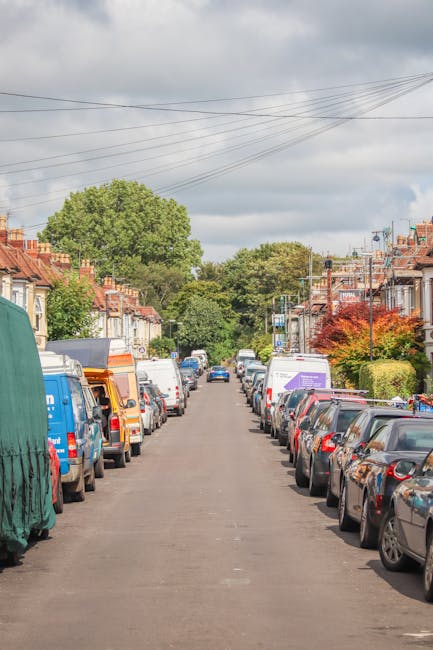
BR6 narrow street removals guide for Locksbottom residents
If you live in Locksbottom, you already know the awkward bits: a parked car where you needed space, a bend that looks easy until a van tries to turn it, and a front door that suddenly feels much smaller when a sofa is halfway through it. This BR6 narrow street removals guide for Locksbottom residents is designed to make that kind of move feel manageable, not chaotic. Whether you are moving from a terraced house, a flat on a tight lane, or a home with limited roadside access, the right plan can save time, reduce stress, and protect your furniture, your neighbours, and your nerves. To be fair, that last one matters more than people admit.
Below you will find a practical, local-minded guide covering planning, access checks, vehicle choices, packing, parking, safety, and the little details that often decide whether moving day goes smoothly or becomes one long game of blocked driveways and improvised lifting. If you want a wider view of your options while reading, it can also help to look at removals, man and van, or house removals services as you compare what fits a narrow-street move best.
Table of Contents
- Why this matters in Locksbottom
- How narrow street removals work
- Key benefits and practical advantages
- Who this is for and when it makes sense
- Step-by-step guidance
- Expert tips for better results
- Common mistakes to avoid
- Tools, resources and recommendations
- Law, compliance, standards, or best practice
- Options, methods, or comparison table
- Case study or real-world example
- Practical checklist
- Conclusion
- Frequently asked questions
Why BR6 narrow street removals guide for Locksbottom residents Matters
Narrow streets change everything about a move. Distance between the van and your front door gets longer, manoeuvring becomes slower, and every extra step adds risk. In BR6, especially around residential streets where parked cars are common and turning space can be tight, a standard "turn up and lift" approach is usually asking for trouble.
What makes this guide important is not just the access challenge itself, but the way small problems compound. A van parked too far away can mean more carrying distance. More carrying distance can mean more fatigue. More fatigue can mean a dropped box, a scuffed wall, or an unhappy neighbour waiting to get past. And nobody wants that sort of morning before the kettle has even boiled.
For Locksbottom residents, a careful removal plan is especially useful when:
- your road is narrow or heavily parked
- you have a maisonette, terrace, or first-floor flat with stairs
- there is limited space to wait, load, or turn a van
- you are moving bulky furniture, white goods, or fragile items
- you need to keep disruption low for neighbours and nearby traffic
It is also a trust issue. A good removal plan shows that the team understands the street, the access constraints, and the real conditions on the day. That matters more than fancy promises.
Expert summary: In narrow street moves, the best results usually come from preparation, the right vehicle size, and honest access planning. Measure early, park sensibly, pack in load order, and leave less to chance.
How BR6 narrow street removals guide for Locksbottom residents Works
A narrow street removal works best when the move is treated like a small logistics project rather than a simple lift-and-go job. The idea is to reduce friction at each stage: access, parking, loading, carrying, and unloading. If one part is awkward, the rest of the day feels it.
In practical terms, this usually means:
- Checking access first. Measure doorways, stairs, corners, the width of the road, and any overhead hazards such as trees or low branches.
- Choosing a suitable vehicle. A smaller removal van or a flexible man with van arrangement can be easier on tight residential roads than a larger truck.
- Planning loading order. The van should be packed so that the heaviest and most frequently needed items are where they can be reached without unpacking half the vehicle.
- Protecting the property. Floor coverings, corner protectors, blankets, and straps help prevent damage when carrying items through close hallways or stairwells.
- Coordinating timing. Early starts often work better because roads are calmer and parking is slightly less competitive. Slightly. Not magically, but enough to help.
Many narrow street jobs also benefit from a route that is planned with local access in mind. A driver who knows how to approach a difficult street, where to pause safely, and how to avoid blocking traffic is worth their weight in tea and biscuits.
If your move involves mixed item sizes or a partial house move, a service such as man and van removals or movers may suit you better than a one-size-fits-all vehicle. The key is matching the job to the street, not the other way around.
Key Benefits and Practical Advantages
When narrow street removals are planned properly, the benefits are immediate and very tangible. You are not just saving time; you are reducing avoidable strain and making the move easier for everyone involved.
- Less risk of damage: Shorter carry distances and better packing reduce the chance of knocks, drops, and scrapes.
- Better parking control: A smaller or better-positioned van can make loading and unloading far less stressful.
- Faster turnaround: When the access plan is solid, the day moves along with fewer pauses and fewer "where do we put this?" moments.
- Reduced neighbour disruption: Careful timing and tidy loading help keep noise and obstruction down.
- Lower physical strain: This matters if you are moving from upstairs, handling heavy furniture, or helping elderly family members.
There is also the emotional side. A good move feels organised. You notice it in small ways: fewer people standing around waiting, fewer boxes left in the wrong room, fewer cross words. That calm feeling is not accidental; it is the result of decent planning.
For some households, combining removal support with packing and unpacking services can be a smart move, especially where access is awkward and the team needs to work efficiently with minimal handoffs.
Who This Is For and When It Makes Sense
This guide is for Locksbottom residents who are dealing with less-than-easy access. That may sound niche, but in reality it covers a lot of very normal moving situations.
You will probably find it useful if you are:
- moving from a home on a narrow residential street
- relocating from a flat where the van cannot park directly outside
- moving a family home with bulky furniture and limited loading space
- handling a small business move from premises with difficult roadside access
- trying to avoid stress by using a more flexible local service rather than a large rigid setup
It also makes sense when you are weighing up whether a standard house move service is enough or whether you need something more adaptable. If your property has stairs, tight corners, or a road where vehicle size matters, a smaller specialist approach often works better than going too big. Truth be told, many people only realise this once they see the van trying to reverse into a street that clearly does not want it there.
For commercial customers working from small offices or converted premises, the same logic applies. In that case, commercial moves and office removals may be more appropriate than a home-only approach.
Step-by-Step Guidance
Here is a straightforward way to plan a narrow street move in BR6 without turning it into a headache.
1. Walk the route before moving day
Do a proper walk from the van's likely stopping point to your front door. Look at pavement width, kerb height, steps, low walls, and anything that could trip someone carrying a box. If possible, check the route at the same time of day you expect to move. Morning traffic and school-run patterns can change everything.
2. Measure the awkward bits
Measure large items, but do not stop there. Measure hallways, door frames, stair turns, and lift sizes if relevant. A sofa that fits in the lounge does not automatically fit the stairwell. That sounds obvious, and yet it catches people out all the time.
3. Decide what needs to go in the van first
Load order matters. Large awkward items should usually go in first, followed by boxes and smaller items that can fill the gaps. Keep essentials accessible. If you need to reach cleaning supplies, tools, or documents at the new property, do not bury them under cushions and a dining table.
4. Book the right kind of help
For tight streets, flexibility beats brute force. A smaller vehicle or a more nimble removal van can be the difference between a smooth day and a blocked lane. If your move is modest in size, a man and van setup may be a more practical fit than a larger removal truck.
5. Protect furniture and flooring
Use blankets, covers, straps, and tape where suitable. Protect corners and wrap surfaces that could scuff easily. If you are carrying items through a narrow hallway, even a light sofa can mark paintwork if it swings awkwardly. Happens fast. Really fast.
6. Keep the loading area clear
On the day, make sure boxes are grouped and walkways are clear. Ask neighbours politely, if needed, to avoid parking in the immediate loading space. A quick conversation in advance can save twenty minutes of awkward manoeuvring later.
7. Build in a buffer
Extra time is not pessimism. It is realism. Narrow street moves nearly always take longer than standard suburban driveway jobs. A buffer helps if a car is blocking the road, if a mattress needs a second attempt, or if the rain turns up, which it often does just to be annoying.
Expert Tips for Better Results
A few small choices make a surprisingly large difference. The trick is to reduce the number of moving parts on the day.
- Use colour-coded labels: Label boxes by room and priority. It speeds up unloading and avoids that "where does this go?" pause at the front door.
- Separate essential items: Keep documents, chargers, a kettle, toiletries, and a change of clothes in a clearly marked bag.
- Check stair corners in advance: In older BR6 properties, corners can be tighter than they look from below.
- Take photos of difficult items: If a piece has detachable legs, fragile glass, or hidden fixings, photos help with reassembly and handling.
- Use smaller boxes for heavy items: Books in a giant box are a classic mistake. A heroic mistake, but still a mistake.
- Have one point of contact: Too many people giving instructions slows everything down. One calm voice beats five overlapping ones.
Another good habit is to keep a short written note of access details: best approach route, likely parking position, gate codes, stair concerns, and any items that need special care. It sounds slightly old-fashioned, but it really works.
If you want more context on provider quality and working standards, pages such as about us, insurance and safety, and health and safety policy are useful starting points for understanding how a mover approaches responsibility and risk.
Common Mistakes to Avoid
Most narrow street problems are preventable. They usually come from underestimating the street, the load, or the time required.
- Assuming a larger van is always better: In a tight BR6 street, a huge vehicle can create more problems than it solves.
- Leaving parking to chance: If there is nowhere legal and practical to stop, the move can stall immediately.
- Packing without load order: Random packing leads to wasted time and extra handling.
- Forgetting about stair turns: A wardrobe can fit in theory and fail in practice.
- Not planning for neighbours: Noise, blocked access, and shared driveways need basic courtesy.
- Skipping insurance checks: If something goes wrong, you want to know what cover and procedures apply.
Another subtle mistake is trying to do too much in one go. If your home is full of clutter, don't force a rushed packing job. It usually creates more mess, not less. Sometimes the best move is the one that starts a day earlier than you expected.
Tools, Resources and Recommendations
You do not need a truckload of fancy equipment, but a few practical tools make a narrow-street removal much easier.
| Tool or resource | Why it helps | Best use in a narrow street move |
|---|---|---|
| Furniture blankets | Protects surfaces from scuffs and light impact | Wrapping tables, beds, headboards, and cabinets |
| Straps and ties | Secures items during transport | Keeping tall or awkward pieces stable in transit |
| Labels and marker pens | Speeds up unloading and room sorting | Room-by-room box organisation |
| Floor protection | Reduces dirt and damage during carrying | Hallways, stairs, and front entrances |
| Small trolley or sack truck | Reduces lifting strain on short runs | Box clusters and appliance moves where space allows |
On the service side, it helps to compare whether you need a general removal services package, a lighter removals near me search result for a local job, or something more specific such as house movers for a domestic relocation. If you are moving more than furniture alone, home moves can be a helpful broader option.
For people who want help with loading, unloading, or the awkward bits in between, the more flexible pages for man with a van and moving van services may also be worth reviewing.
Law, Compliance, Standards, or Best Practice
For a home move, you do not usually need to get lost in legal jargon. Still, a few standards of practice matter. A responsible mover should handle property carefully, load goods securely, and work in a way that does not create unnecessary hazards on the street or inside the property.
In the UK, good practice normally includes safe manual handling, sensible vehicle loading, and proper attention to insurance, access, and liability. If you are arranging a move in a tight residential area, it is reasonable to ask how the mover handles risk, what their process is for awkward access, and whether they have a clear complaint route if something goes wrong. That is not being awkward; that is being sensible.
Customers also tend to appreciate clear terms before the job begins. For example, it is wise to understand payment expectations, any limitations around access, and what happens if the schedule changes. Pages like pricing and quotes, payment and security, and terms and conditions are useful for setting expectations in a straightforward way.
If sustainability matters to you, it is also fair to ask how unwanted items are handled. A move often brings up furniture that no longer fits or has reached the end of its life. In that case, recycling and sustainability and furniture pick up may be relevant to your plan.
Options, Methods, or Comparison Table
Different moving methods suit different narrow-street situations. The best choice depends on volume, access, and how much help you want with lifting.
| Option | Best for | Pros | Watch-outs |
|---|---|---|---|
| Man and van | Smaller or medium domestic moves | Flexible, usually easier in tight streets, efficient for shorter jobs | May need more trips if the load is large |
| Removal van | Standard home moves with moderate access limits | Good balance of capacity and manoeuvrability | Still needs parking space and a clear plan |
| Full removals team | Larger houses or more complex moves | More hands, better for stairs and heavier furniture | Can be less nimble if the road is extremely tight |
| Office-focused move | Small businesses or workspaces | Better planning for equipment and downtime | Needs coordination around business hours and access |
In a very tight Locksbottom street, the sweet spot is often a smaller vehicle with experienced handling rather than trying to force a large setup into a small space. The big question is not "what looks most impressive?" It is "what will actually fit without stress?"
Case Study or Real-World Example
Picture a fairly typical BR6 move: a two-bedroom flat above a house, a narrow street with cars parked on one side, and a front entrance set back just enough to make carrying awkward. The move includes a sofa, a bed frame, a dining table, a washer, and a lot of boxed kitchen items. Nothing outrageous. Just enough to keep everyone busy.
In this kind of move, the winning approach is usually quite simple:
- the customer confirms access details in advance
- the van arrives at a time when parking is more realistic
- large furniture is dismantled where needed
- boxes are grouped by room so unloading stays tidy
- the team protects floor edges and door frames before carrying begins
The difference is obvious from the first trip. Instead of repeated back-and-forth confusion, the carrying route is clear. Instead of guessing where the van can stand, everyone knows the plan. The move still takes effort, of course, but it feels controlled.
What people usually notice afterwards is not just that the furniture arrived safely. It is that the day felt calmer than expected. Less noise. Less rushing. Less of that slightly panicky feeling that tends to arrive when one person is shouting "where's the Allen key?" and someone else is standing in the hallway with a lamp.
Practical Checklist
Use this checklist the day before and on the morning of the move.
- Confirm the moving time and access notes.
- Check where the van can safely stop.
- Measure doorways, stairs, and tight corners.
- Pack fragile items separately and label clearly.
- Keep essentials in one easy-to-reach bag.
- Protect furniture with blankets or covers.
- Clear hallways, landings, and front steps.
- Warn neighbours if access may be briefly blocked.
- Have keys, paperwork, and payment details ready.
- Build in extra time for parking and loading.
It is a simple list, but simple is the point. A narrow street move gets easier when the small practical things are done early. One forgotten box may not matter much. Three forgotten boxes can make the whole day feel off.
Get a free quote today and see how much you can save.
Conclusion
For Locksbottom residents, narrow street removals are less about brute strength and more about good judgement. The right vehicle, the right packing order, and a sensible access plan can transform a stressful move into a well-managed one. That is especially true in BR6, where parking pressure, tight turns, and residential layouts can make a small oversight feel much bigger than it should.
If you remember only three things, make them these: measure the space, choose a vehicle that suits the street, and prepare for a slightly slower, more careful day than you first imagined. Not dramatic. Just realistic. And realism saves headaches.
With the right planning, even a narrow street move can feel orderly, respectful, and surprisingly smooth. That is a nice feeling to end on, frankly.
Frequently Asked Questions
What is a narrow street removal in BR6?
It is a move where access is limited by a tight road, restricted parking, parked cars, or awkward turning space. In practical terms, it means the removal team has to plan more carefully around the street itself, not just the items being moved.
Is a man and van service suitable for Locksbottom narrow streets?
Often, yes. A smaller and more flexible setup can be easier to position on a narrow road than a larger vehicle. It is especially useful for smaller homes, partial moves, or jobs where quick loading matters more than huge capacity.
How do I know if my van will fit outside my property?
Measure the road width, check for parked cars, and look at the turning space near your property. If you are unsure, it helps to describe the access clearly and share photos if possible. A quick walk-through before moving day can answer a lot.
Should I choose a larger removal truck or a smaller van?
In a narrow street, bigger is not automatically better. A smaller van may be easier to park, load, and manoeuvre. The best choice depends on how much you are moving and how much space the road gives you.
What should I do if parking is very limited?
Plan ahead, identify the safest stopping point, and keep the loading route short and clear. If the road is extremely tight, a more compact vehicle or a more flexible moving arrangement is usually the sensible route.
How can I protect furniture in a tight hallway or stairwell?
Use blankets, covers, and protective wrapping on corners and exposed surfaces. It also helps to measure the trickiest bends in advance so you know which items may need to be dismantled before the move begins.
Do narrow street removals take longer?
Usually, yes. Even with good planning, access constraints add time. That is normal. Allowing a buffer for parking, loading, and careful carrying makes the day less rushed and reduces the chance of mistakes.
Can I combine packing help with my removal?
Absolutely. For many residents, especially those with stairs or limited access, packing and unpacking support makes the move much smoother. It cuts down on last-minute stress and helps the team work more efficiently.
What if my furniture is too large for the stairwell?
That is a common issue. Items may need to be dismantled, moved in a different order, or carried with extra care. If it looks borderline, mention it early so the right plan can be made before moving day.
How do I keep neighbours happy during the move?
Keep noise reasonable, avoid blocking access for longer than needed, and let neighbours know if the road or entrance will be busy. A little courtesy goes a long way, especially in close residential streets.
What should I ask before booking a removals provider?
Ask about vehicle size, access planning, insurance, handling of fragile items, timing, and payment terms. If your street is awkward, mention that clearly. A good provider will want the details, not shrug them off.
Is this guide useful for office or commercial moves too?
Yes, the same access principles apply. Small offices in tight streets often need careful vehicle choice and well-planned loading. For that kind of move, commercial and office-focused services are usually the better fit.